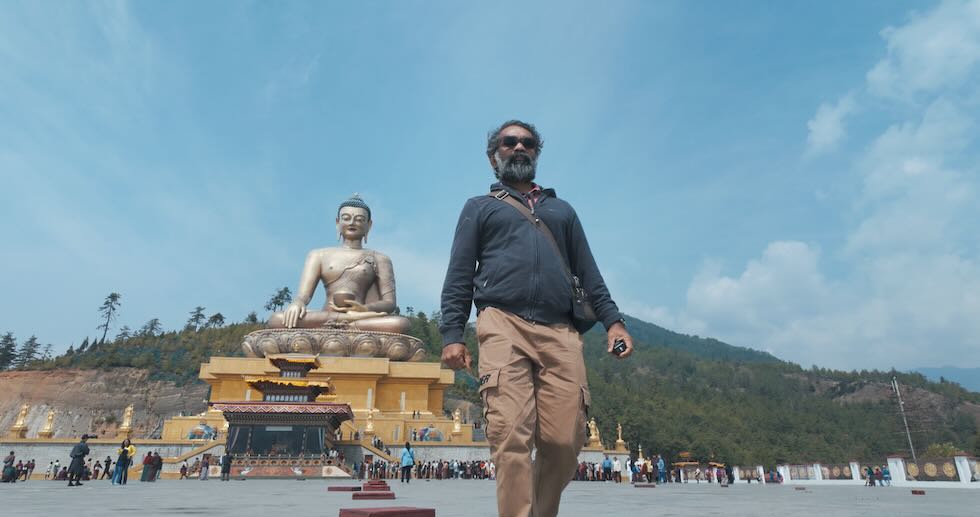
Bhutan was always in my bucket list, finally I am travelling. I had plans to go for a road trip to Bhutan, but was not happening.
- Day 1 – Travelling to Kolkata
- Vlog of Day 1
- Day 2 – Exploring Kolkata
- Morning
- Midday
- Afternoon
- Evening
- Some pictures of Kolkata Trip
- Summary
- Vlog on Exploring Kolkata in a day
- Day 3 – Travelling from Kolkata to Paro
- Day 4 – Exploring Thimphu
- Thimphu – The Capital of Bhutan
- Day 5 – Thimphu to Punakha by Road
- Day 6 – Exploring Punakha
- Day 7 – Travelling to Phobjikha Valley from Punakha
- Day 8 – Exploring Phobjikha Valley
- Day 9 – Phobjikha Valley to Bumthang Valley
- Day 10 – Exploring Bumthang
- Day 11 – Tang Valley
- Burning Lake (Menchhu) in Tang Valley
- Visit to Ogyen Choling Museum
- Nunnery from Bumthang
- Day 12 – Traveling from Bumthang to Paro
- Exploring Paro Market
- Conclusion
- Day 13 – Trekking to Tiger’s Nest (Paro Taktsang)
- Day 14 – Exploring Paro
- Day 15 – Returning to Delhi from Paro
Day 1 – Travelling to Kolkata
Started from Mysore, took a cab instead of the usual flybus. Flight takes off at 10:00 hrs, so had to reach the Bangalore International Airport (Kempegowda) by 08:00 hrs. Started at 04:00 hrs, expecting the drive to be about 3.5 hours, but reached here in 2.5 hours as the roads were clear in Bangalore.
The destination today is Kolkata. Planned to send two nights before we travel to Paro.
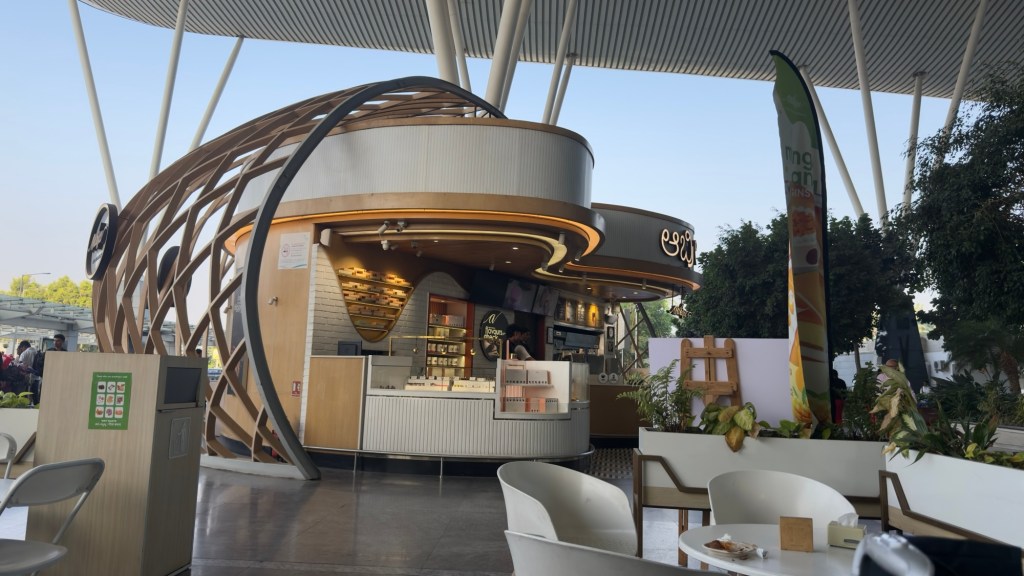
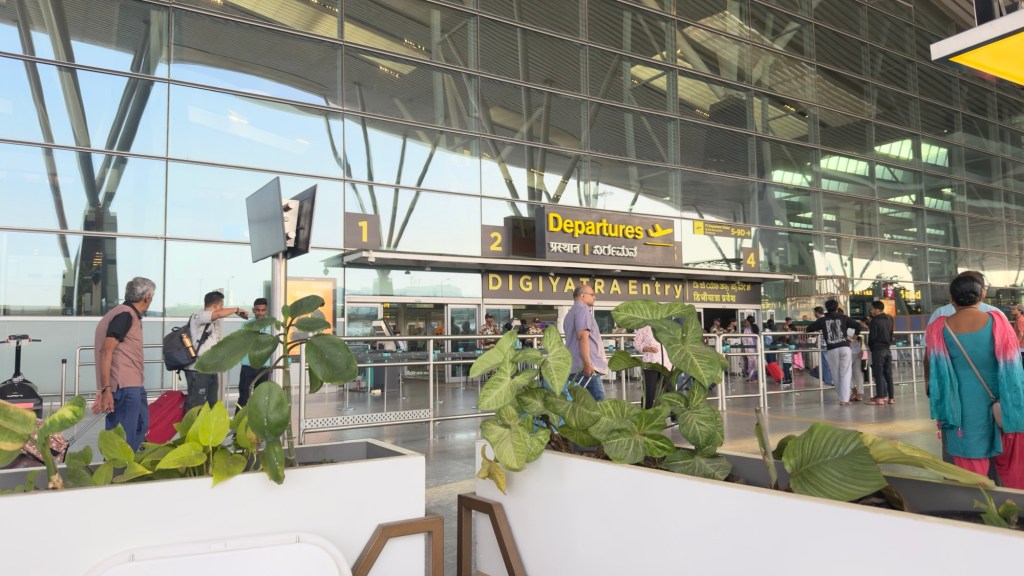
Had a cup of coffee and some snacks from a cafe at the airport, adjacent to the Digiyatra Gate.
Kolkata Airport
Reached Kolkata, the flight had to come back for the second time to land as it was very windy.
Stay at Taj
I got a good deal from Booking.com, so booked a stay at Taj City Centre New town Kolkata. Usually when I am travelling to a new town, I prioritise to stay at a safe place rather than looking for some home stays or AirBnb.
Taj driver send me a message that he is waiting to pick me up at he arrival gate no 1A.
Buffet Lunch at Taj
Food as usual was great, hand a buffet lunch and got back to the room for rest. I usually have 2 meals a day and so I was done for the day.
Vlog of Day 1
Day 2 – Exploring Kolkata
Places to visit in Kolkata
Kolkata, the cultural capital of India, offers a rich tapestry of history, art, and culinary delights. Here’s an optimized itinerary to make the most of your day in this vibrant city.
Morning
1. Victoria Memorial
- Description: An iconic marble structure, this memorial is dedicated to Queen Victoria and is surrounded by beautiful gardens.
- Tip: Arrive early to avoid crowds and take photos before the sun gets too bright.
- We reached there around 10:30 am
2. St. Paul’s Cathedral
- Description: A stunning example of Gothic architecture, this cathedral is located near Victoria Memorial.
- Tip: Don’t forget to admire the stained glass windows and tranquil gardens.
- Must visit place
Midday
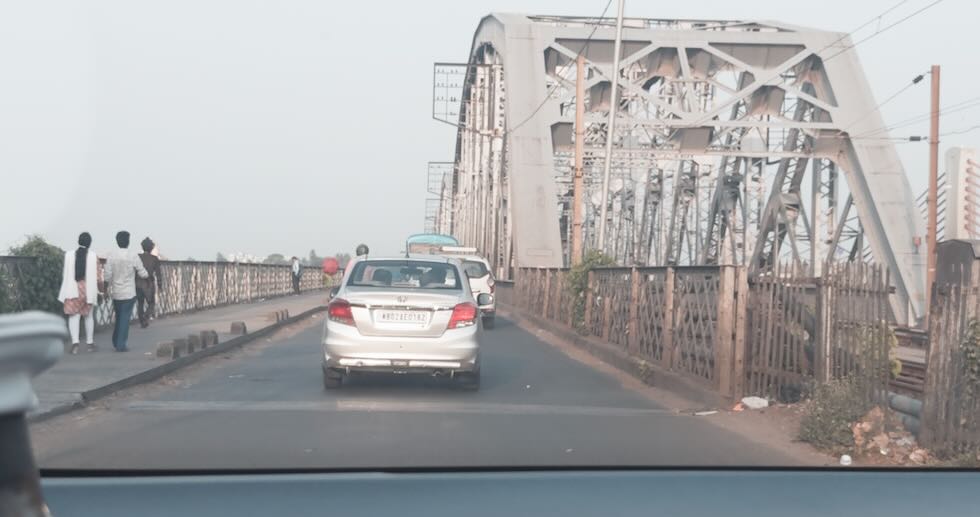
3. Howrah Bridge
- Description: A cantilever bridge that is an engineering marvel, connecting Howrah and Kolkata.
- Tip: Walk across the bridge for panoramic views of the Hooghly River.
4. Lunch at Punjabi Bagh
- Description: Enjoy a hearty meal at a local eatery. Try some authentic Bengali cuisine.
- Recommendation: Don’t miss out on the fish curry and mishti (sweets).
Afternoon
5. Kolkata Marble Palace
- Description: A 19th-century mansion featuring a collection of art and antiquities.
- Tip: Note that photography is restricted in some areas, so be mindful of the rules.
6. Dakshineswar Kali Temple
- Description: An important religious site dedicated to the goddess Kali, located on the banks of the Hooghly River.
- Tip: Take some time to reflect and enjoy the serene environment.
Evening
7. Eden Gardens
- Description: One of the most famous cricket stadiums in the world.
- Tip: If a match is on, try to catch the action.
8. Evening Stroll at Park Street
- Description: A popular street known for its restaurants, nightlife, and colonial architecture.
- Tip: Explore various eateries and end your day with some delicious street food or dessert.
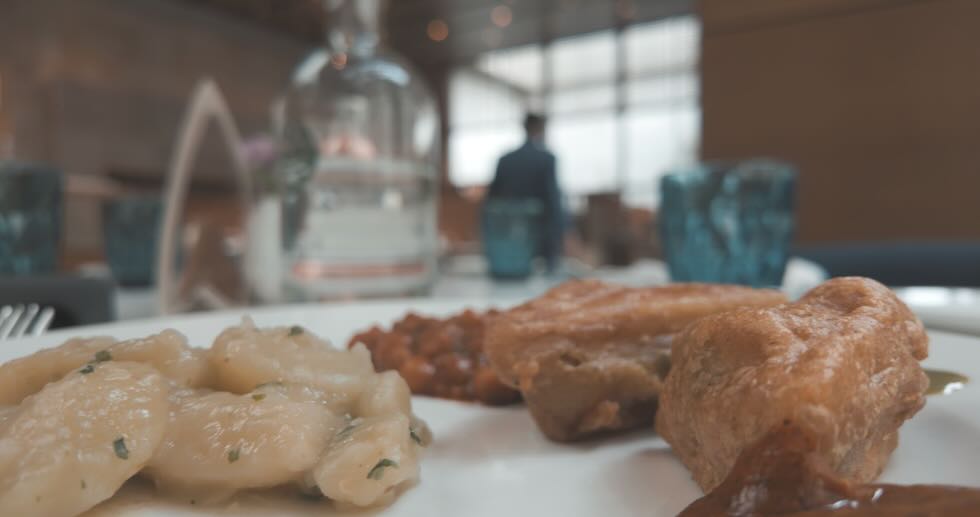
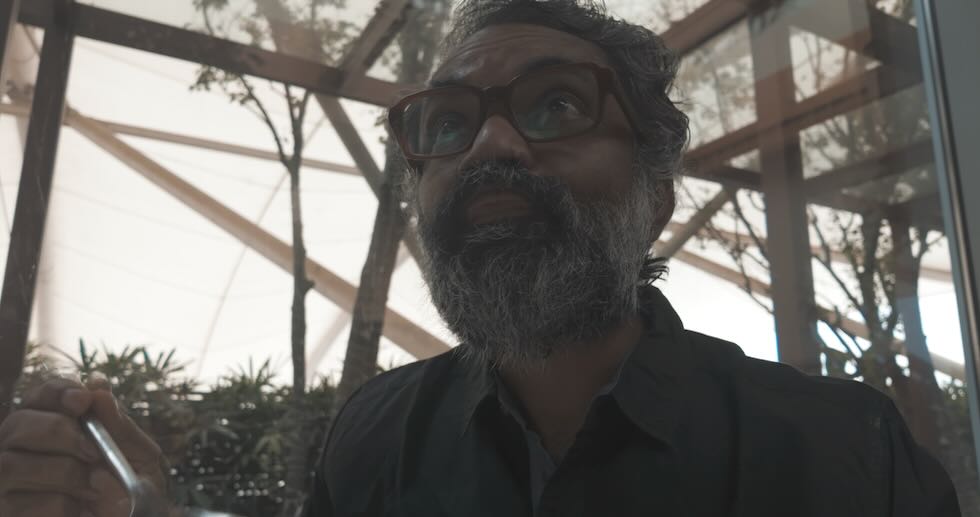
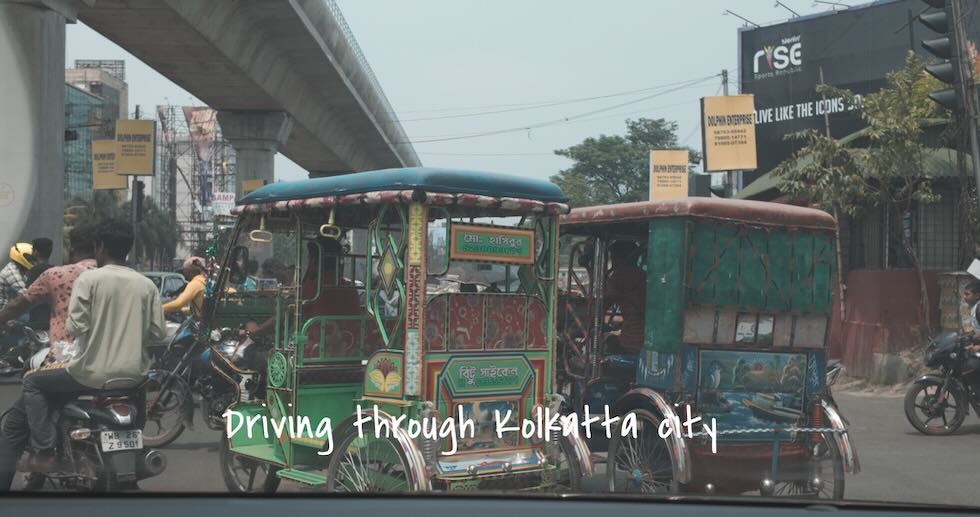
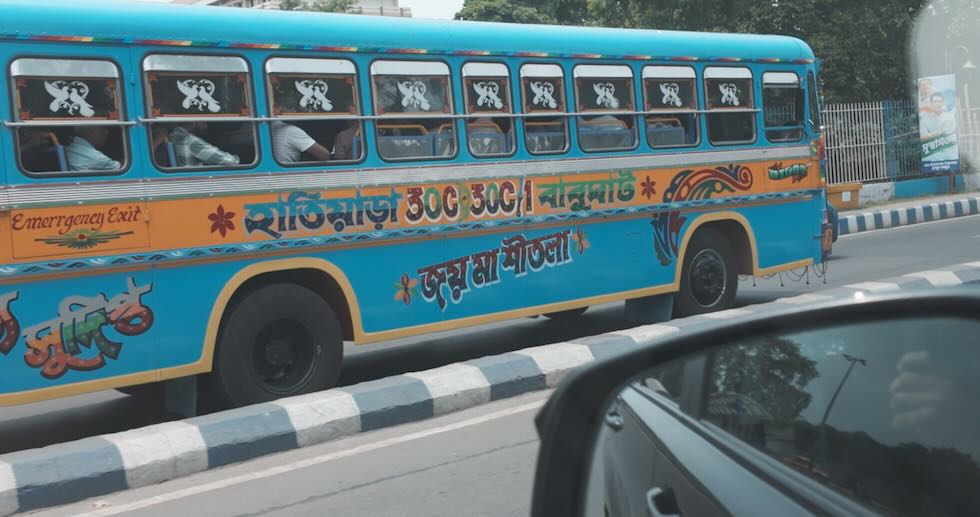
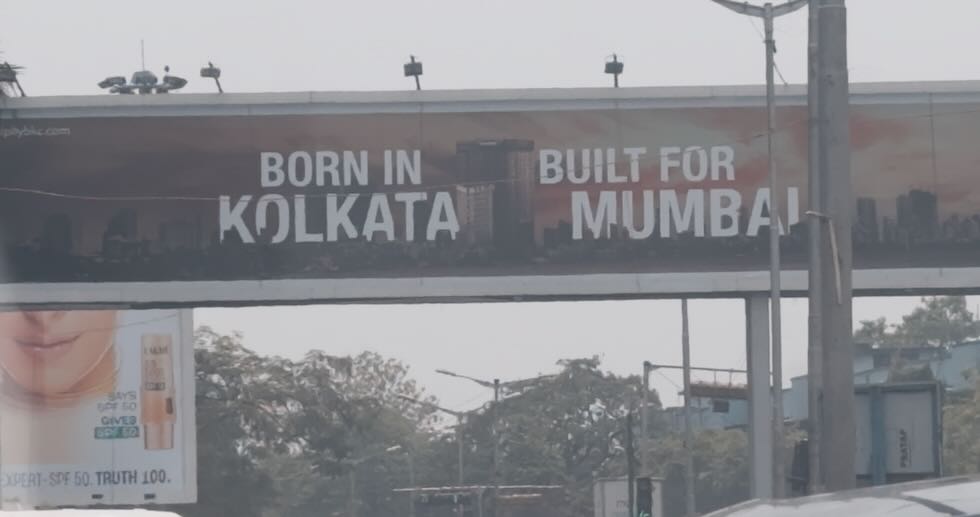
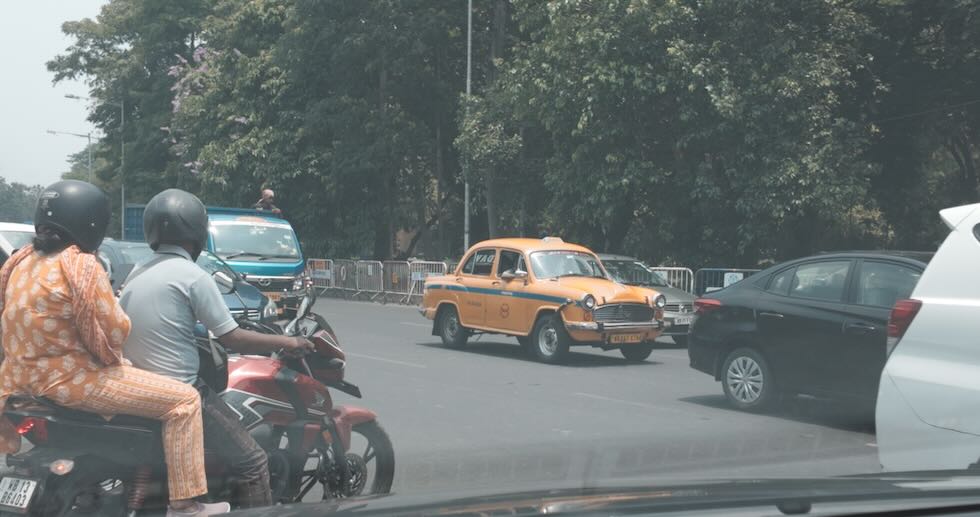
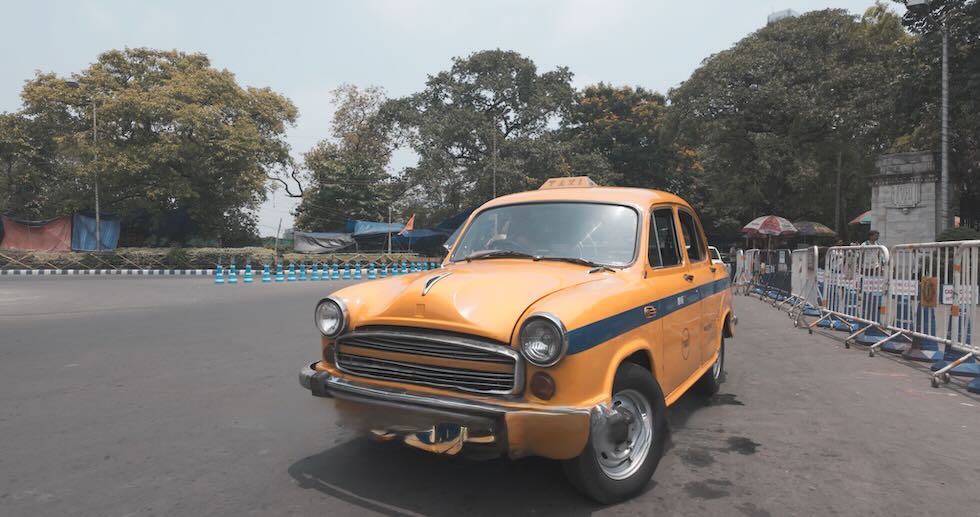
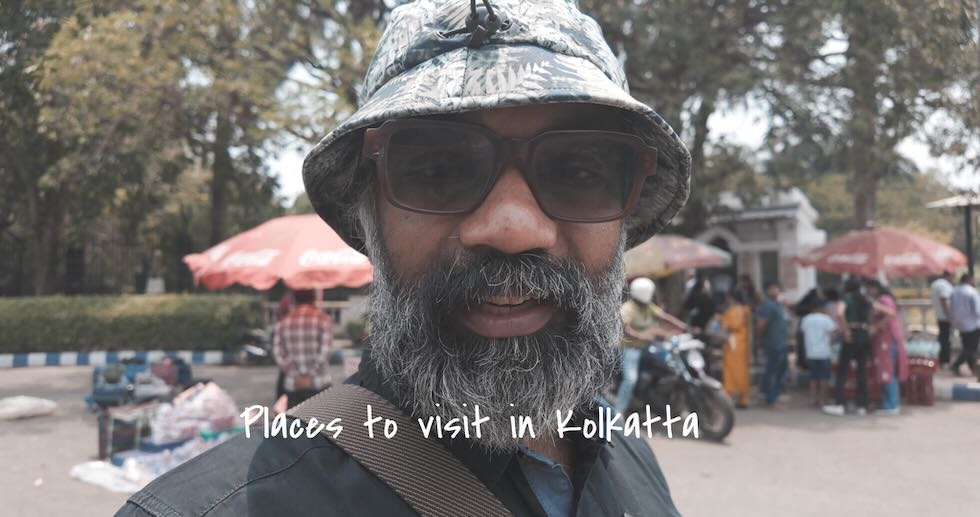
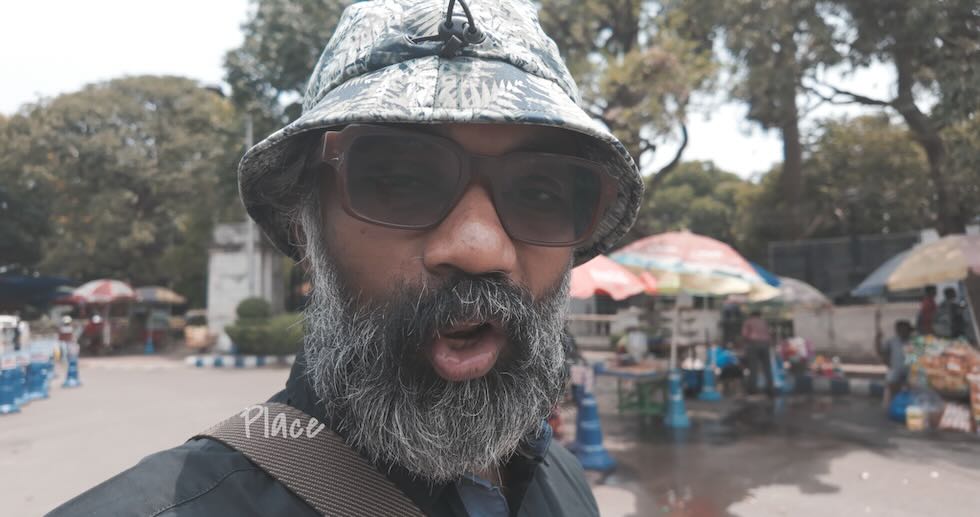
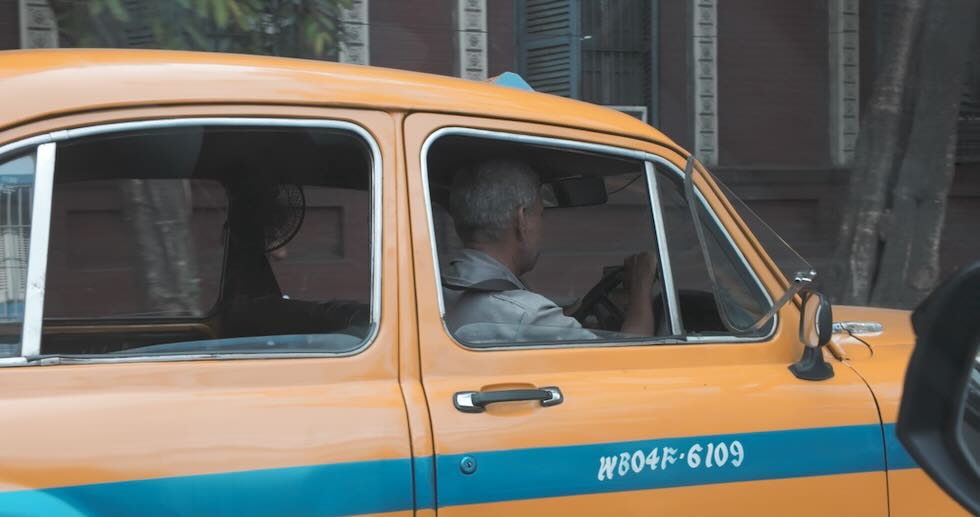
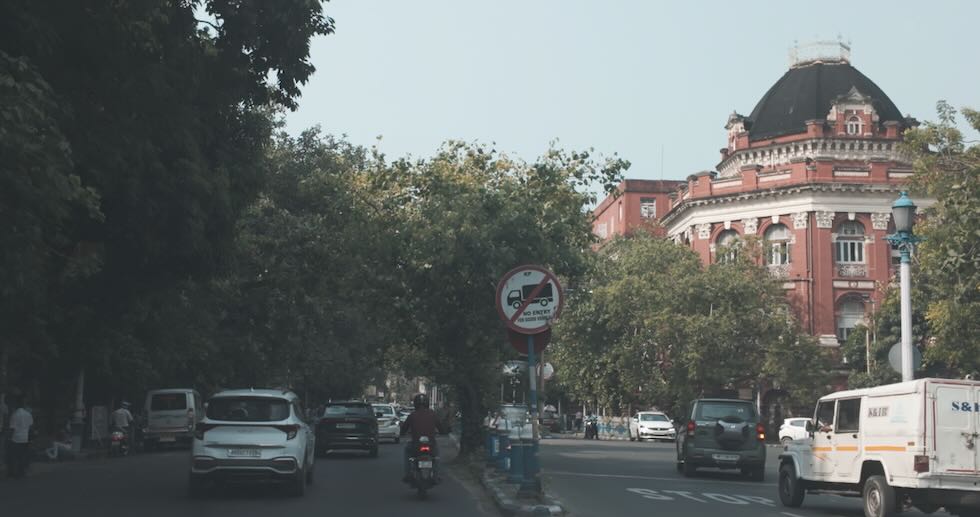
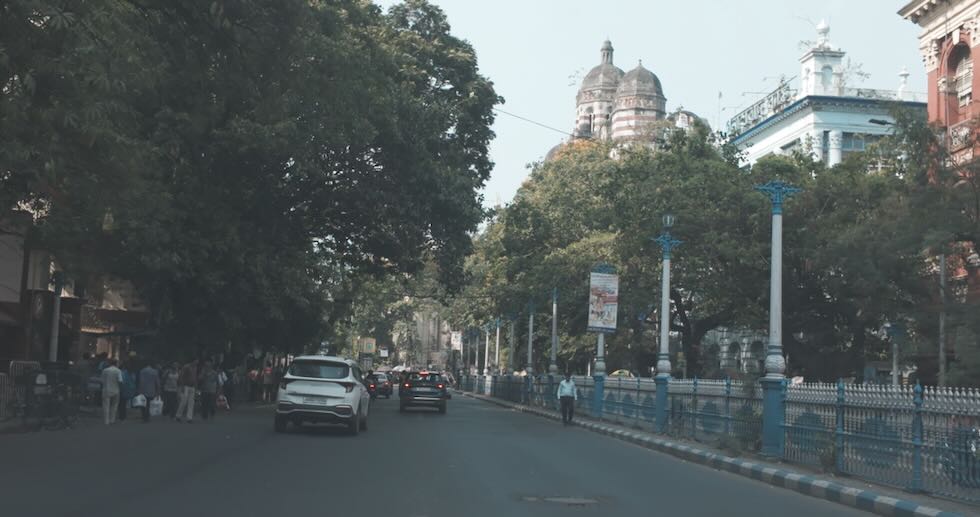
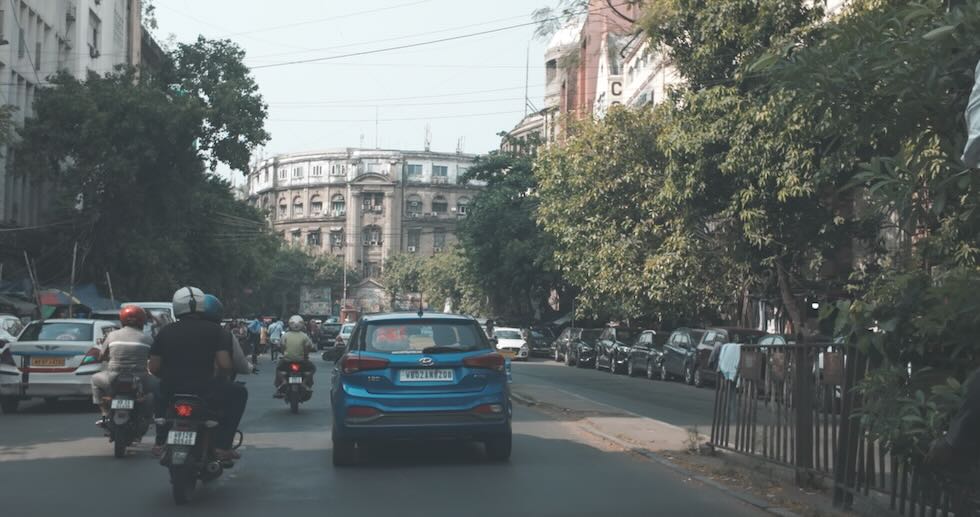
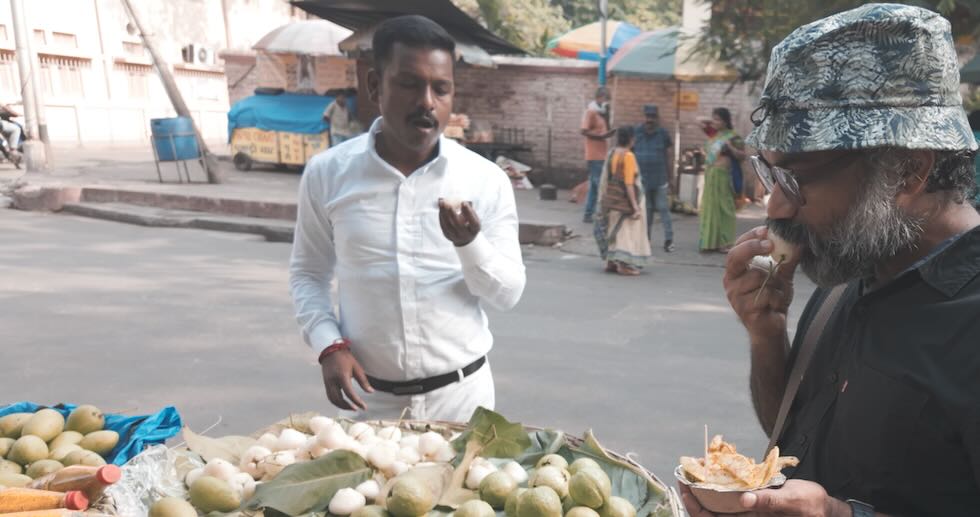
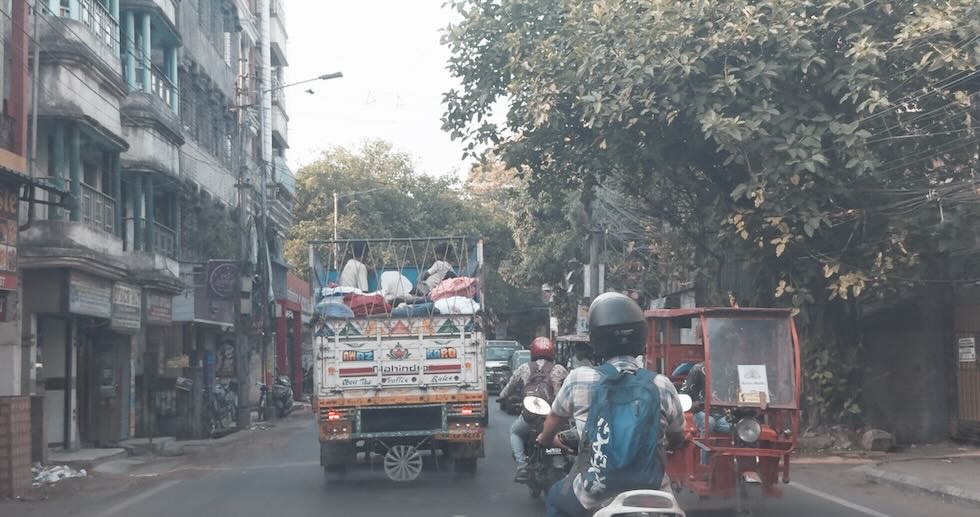
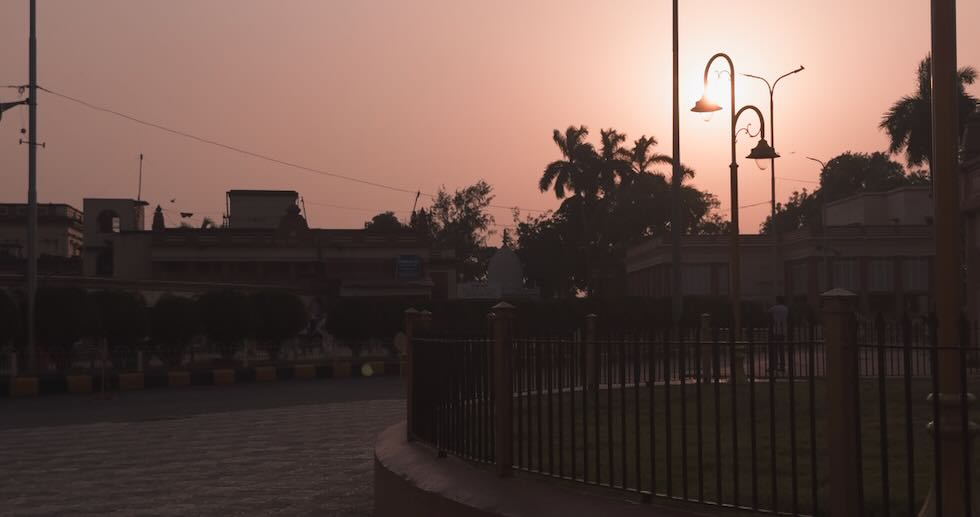
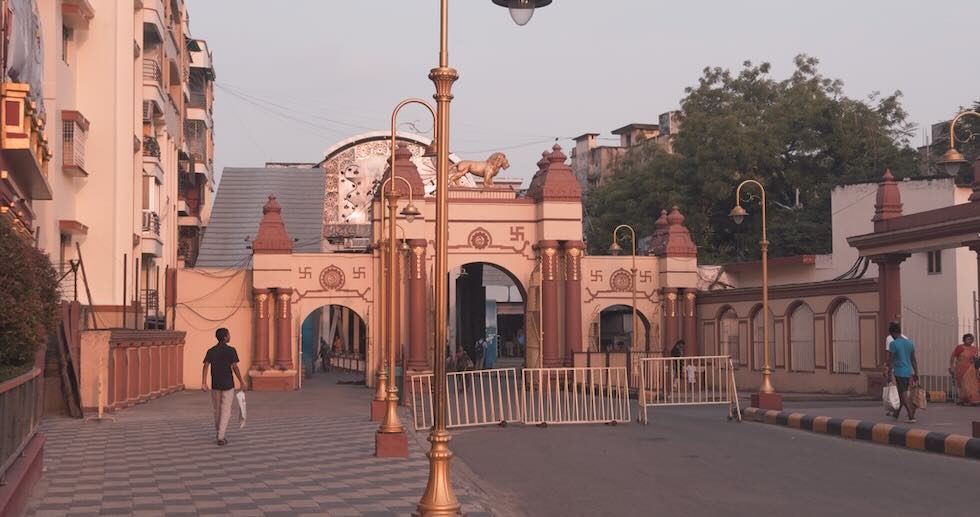
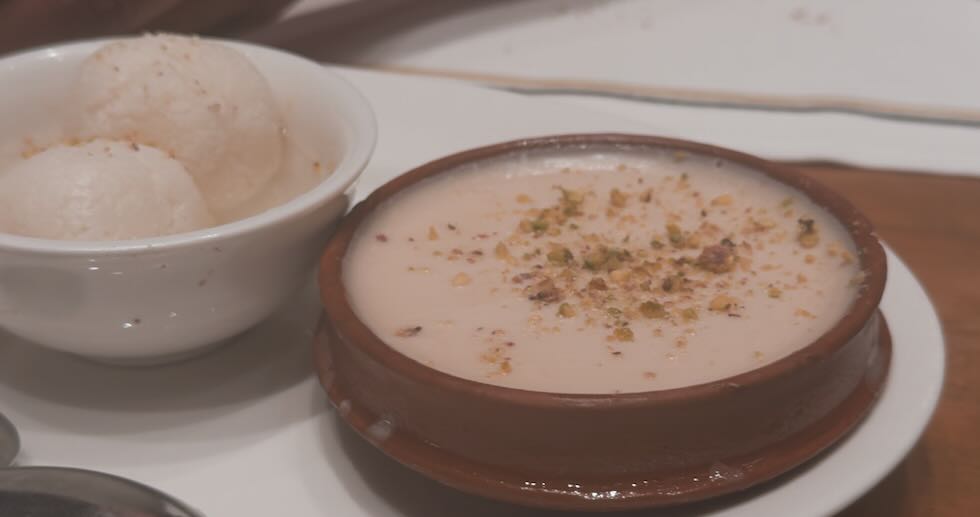
Some pictures of Kolkata Trip
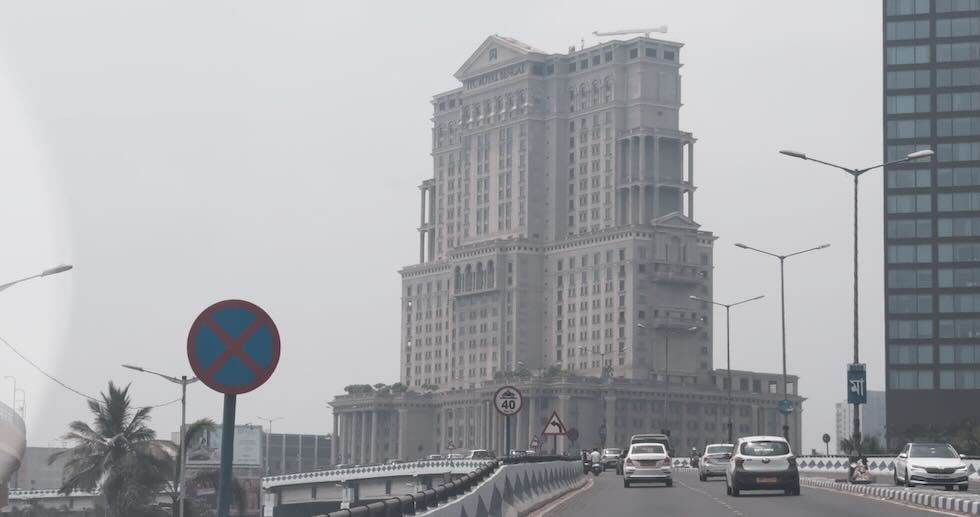
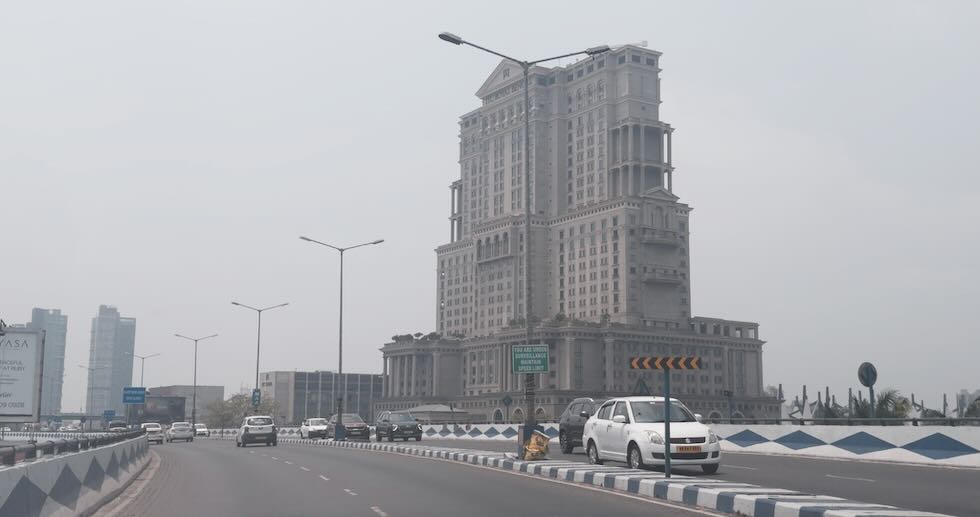
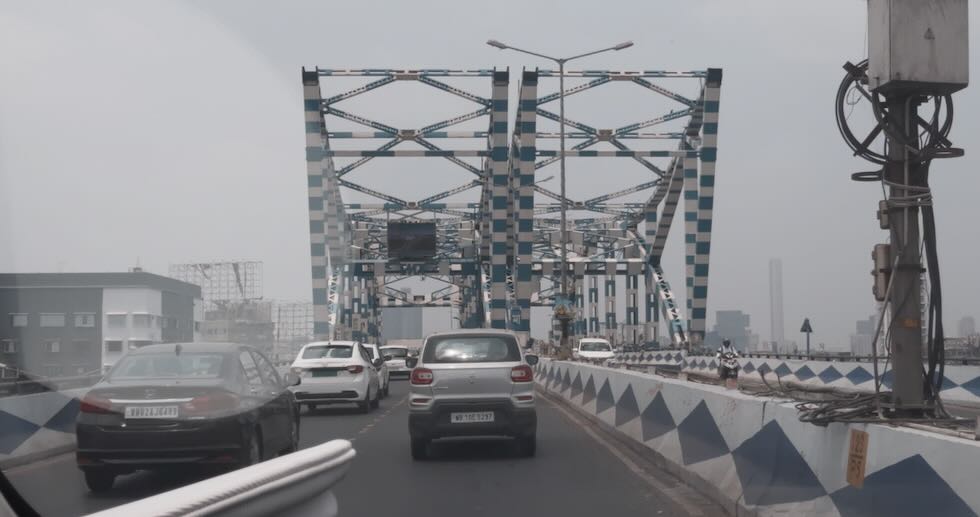
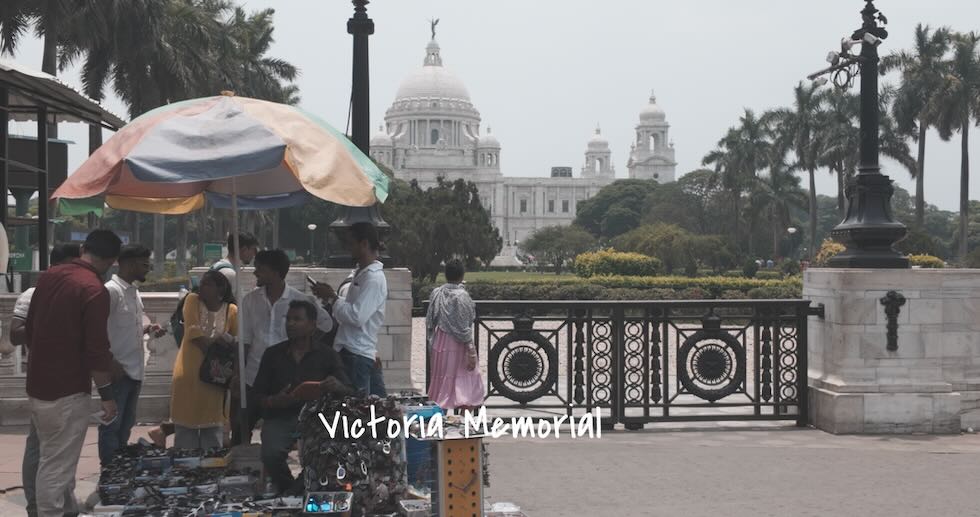
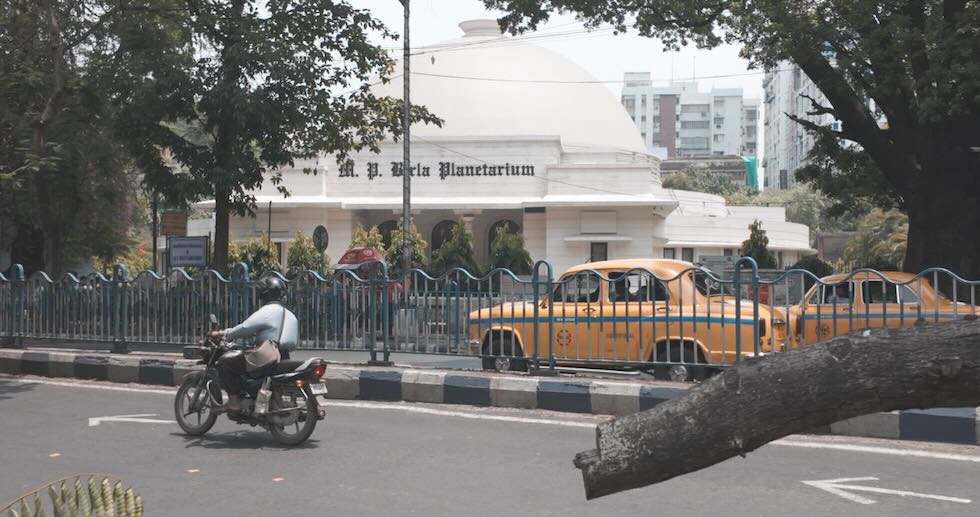


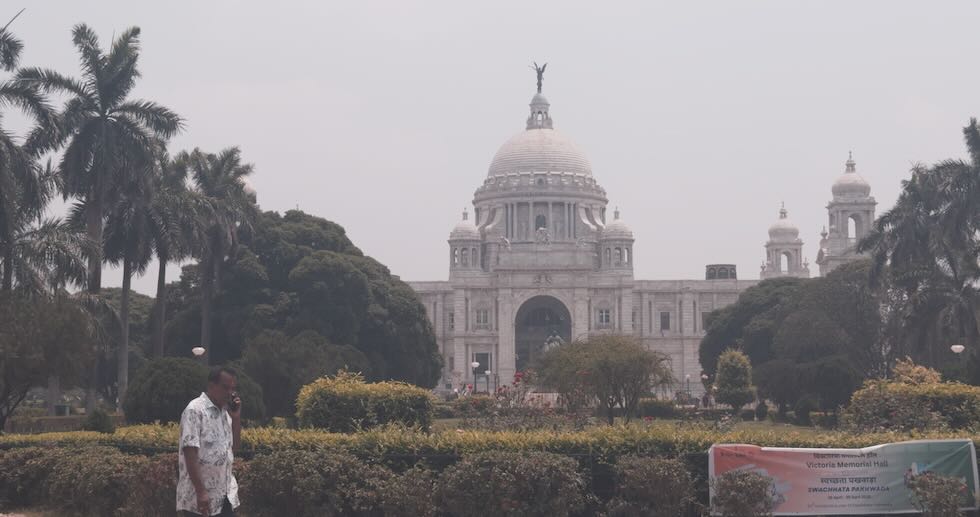
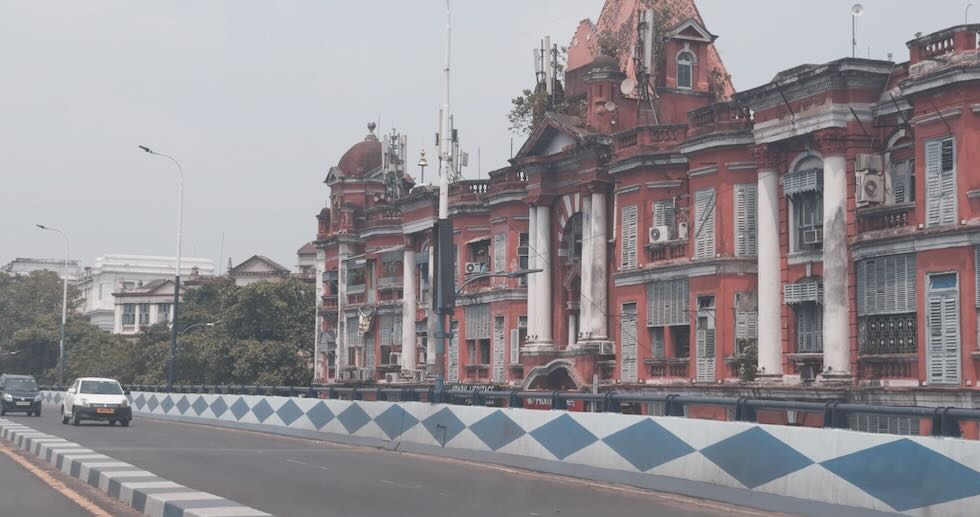

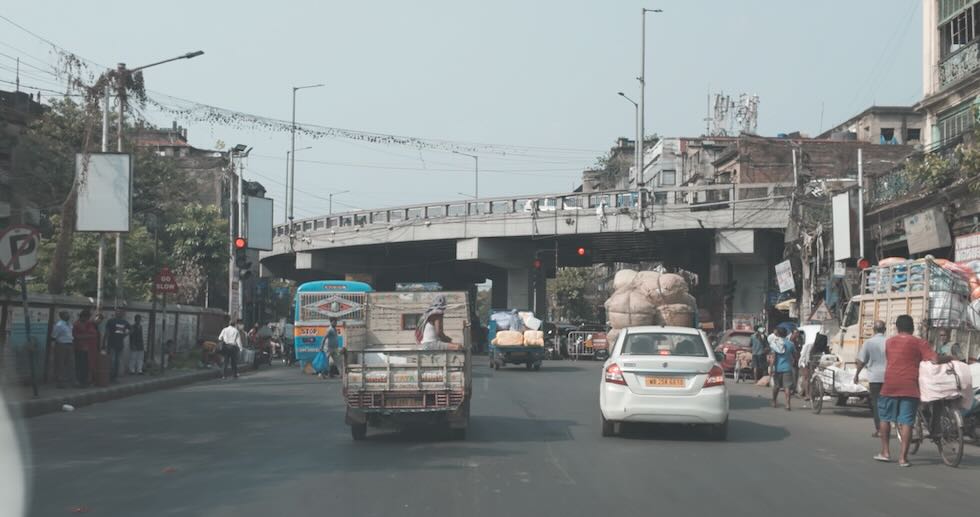
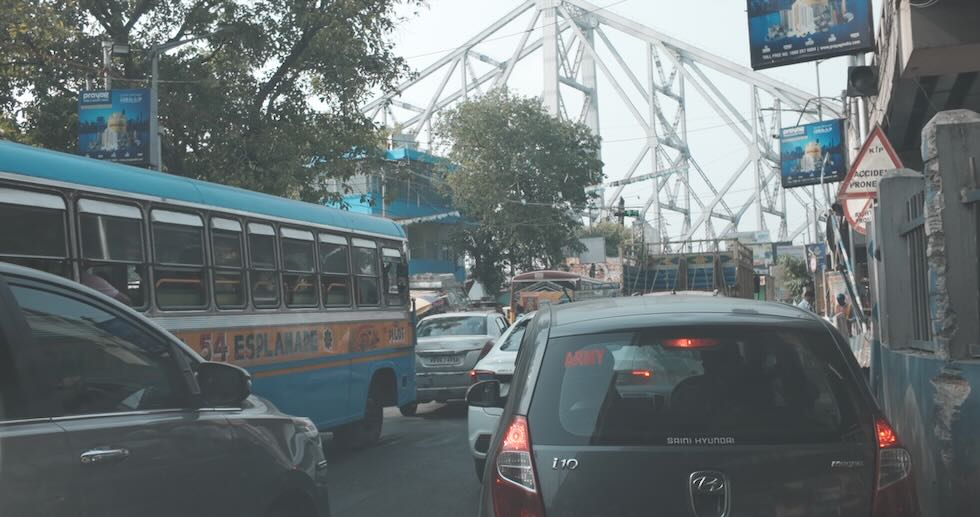
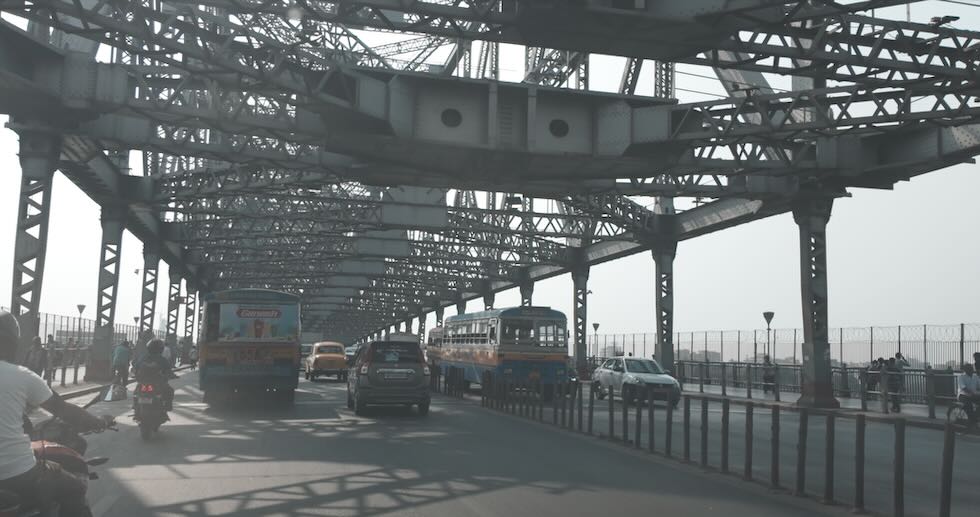
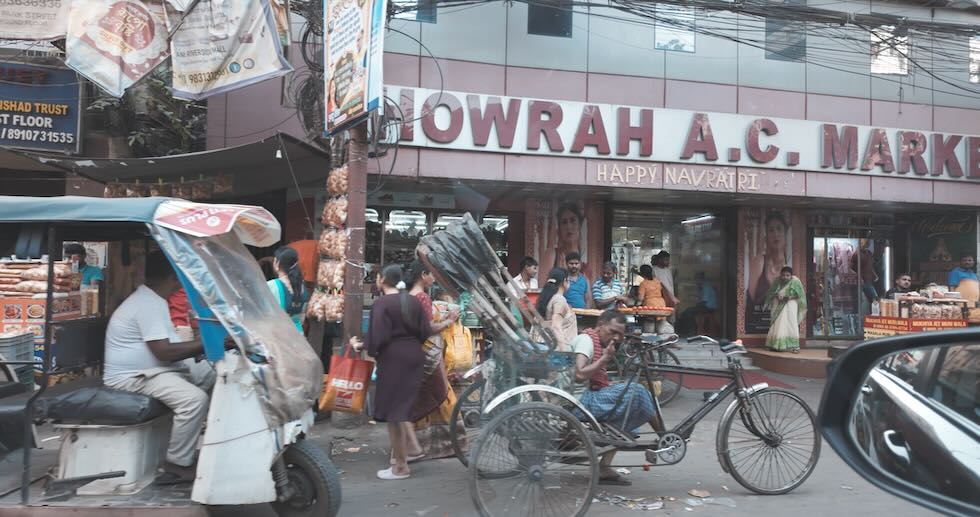
Summary
This one-day itinerary in Kolkata lets you experience the city’s historical significance, architectural marvels, and delightful cuisine, making for a fulfilling visit.
Vlog on Exploring Kolkata in a day
Day 3 – Travelling from Kolkata to Paro
Flights from Kolkata (CCU) to Paro (PBH) are available daily, primarily operated by Bhutan Airlines and Druk Air. The journey is approximately 1 hour and 10 minutes long. 
Flight Options
Bhutan Airlines (B3-701): Departs Kolkata at 02:55 AM, arriving in Paro at 04:40 AM.
Druk Air: Offers flights with varying departure times; it’s advisable to check their official website for the latest schedule.
Ticket Prices
One-way fares start from approximately ₹19,967 (~$240), depending on the airline and booking time.
Round-trip fares can range from $410 to $458.
Booking at least 4 weeks in advance is advisable to secure better rates. 
Flight Frequency – There are approximately 7 flights per week, with at least one flight operating daily.
Travel Requirements
• Passport: Required for international travel.
• Visa: Indian citizens need a visa to enter Bhutan. It’s recommended to apply in advance through the Bhutanese consulate or authorized agencies.
Booking Platforms
I got my tickets booked by a tour operator from Bhutan.
For the most accurate and up-to-date information, it’s best to check with the airlines directly or through trusted travel booking platforms.
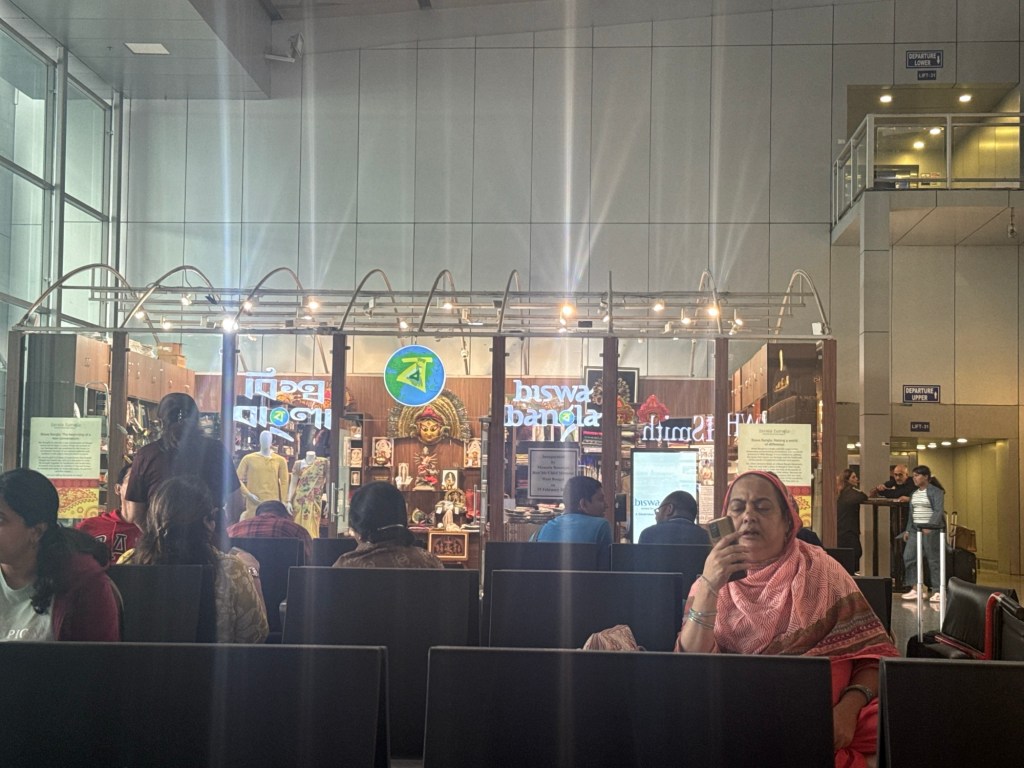
Done with the final security check. The airport is good, but looks very outdated compared to other airports like the Bangalore / Chennai / Mumbai airports.
Day 4 – Exploring Thimphu
Thimphu – The Capital of Bhutan
Thimphu, the capital city of Bhutan, stands out as a unique blend of modernity and tradition. Nestled in a lush valley, it is the political and economic centre of the country. Unlike many capitals, Thimphu is characterized by its low-rise architecture, with strict building codes that maintain the city’s traditional aesthetic.
The city is home to several cultural landmarks, including the Tashichho Dzong, a stunning fortress that houses the king’s office and the seat of the national government, and the National Memorial Chorten, a stupa dedicated to world peace. Thimphu also boasts vibrant markets, where handicrafts and local goods can be found, alongside beautiful parks and monasteries that enrich the spiritual ambiance of the city.
Thimphu is an ideal starting point for exploring Bhutan’s rich heritage, offering visitors a taste of the country’s unique culture while providing a gateway to its stunning natural beauty.
Places to Visit in Thimphu
Thimphu, the capital of Bhutan, offers a unique blend of tradition and modernity. Here are some must-visit places in this vibrant city:
1. Tashichho Dzong
- Description: This impressive fortress houses the king’s office and the seat of the national government. It features stunning architecture and beautifully landscaped gardens.
- Tip: Visit in the evening for a breathtaking view during sunset.
2. Buddha Dordenma
- Description: A giant statue of Buddha seated on a lotus throne, this serene location provides panoramic views of the Thimphu valley.
- Tip: Spend time exploring the surrounding park, which features numerous shrines.
3. National Memorial Chorten
- Description: This stupa is dedicated to world peace and prosperity. Locals often visit to pray and circumambulate.
- Tip: Visit in the morning to see locals engaging in their daily rituals.
4. Folk Heritage Museum
- Description: This museum offers insights into Bhutanese rural life. The exhibits showcase traditional artifacts and practices.
- Tip: Participate in workshop activities to enhance your experience.
5. Changangkha Lhakhang
- Description: One of the oldest temples in Thimphu, it is dedicated to Avalokiteshvara. The temple’s architecture reflects Bhutanese craftsmanship.
- Tip: Listen to the local monks chant during prayer sessions.
6. Takin Preserve
- Description: A unique wildlife sanctuary where you can see the national animal of Bhutan, the Takin, in a natural setting.
- Tip: Combine your visit with a hike in the nearby hills for a complete experience.
7. Thimphu Weekend Market
- Description: A bustling market where locals sell fresh produce, handicrafts, and traditional goods.
- Tip: Visit on weekends to experience the full vibrancy of the local culture.
8. Zorig Chusum
- Description: A traditional art school where students learn the 13 different crafts of Bhutan. The school showcases the importance of preserving Bhutanese arts.
- Tip: Schedule a visit to see students in action and explore their artwork.
9. Dechen Phodrang Monastery
- Description: This renowned monastery offers insights into Buddhist teachings and has beautiful landscapes all around.
- Tip: Enjoy the peaceful surroundings and take time to meditate.
10. Motithang Takin Preserve
- Description: This preserve is dedicated to the conservation of Takin. It offers a chance to see these unique animals in a natural habitat.
- Tip: Pack a camera for some unique wildlife photography.
Thimphu provides a rich cultural experience with its historical landmarks, serene temples, and stunning landscapes, making it an essential stop on your journey through Bhutan.
Day 5 – Thimphu to Punakha by Road
Traveling from Thimphu to Punakha is an experience that combines breathtaking landscapes with an insight into Bhutan’s rich heritage. The road trip spans approximately 72 kilometers and typically takes around 3 to 4 hours, depending on traffic and road conditions.
Scenic Route
The drive from Thimphu to Punakha is one of the most scenic routes in Bhutan. You will pass through picturesque valleys, quaint villages, and the beautiful countryside. The highway winds through the mountains, offering stunning views of the surrounding hills and valleys.
Key Stops Along the Way
- Dochula Pass
- Description: A key landmark located about 30 km from Thimphu, Dochula Pass stands at an elevation of 3,100 meters. It offers panoramic views of the Himalayan mountain range, particularly on clear days.
- Tip: The pass is adorned with 108 chortens (stupas), which are a perfect stop for photographs and a moment of reflection.
- Druk Wangyal Chortens
- Description: These chortens are located at Dochula Pass and are a tribute to the 2003 military campaign against insurgents in Bhutan.
- Tip: Take a short walk around the chortens to appreciate the art and architecture.
- Shopping for Local Handicrafts
- Description: Several roadside stalls and local markets offer beautiful traditional handicrafts, textiles, and souvenirs.
- Tip: It’s a great opportunity to buy unique gifts and support local artisans.
Arrival in Punakha
Upon reaching Punakha, you will instantly feel the tranquility that envelops the valley. The town is famous for its stunning dzong, Punakha Dzong, which is perched at the confluence of the Pho Chhu and Mo Chhu rivers.
Recommended Activities in Punakha
- Visit Punakha Dzong
- Description: This majestic fortress is known as the “Palace of Great Happiness” and is one of the most impressive dzongs in Bhutan. It serves as a religious and administrative center.
- Tip: Take a guided tour to learn about its history and significance.
- Explore the Suspension Bridge
- Description: One of the longest suspension bridges in Bhutan, it provides stunning views of the surrounding landscape.
- Tip: Enjoy a leisurely walk across the bridge while taking in the scenery.
- Rafting on the Mo Chhu River
- Description: For adventure seekers, opt for rafting on the Mo Chhu river. It’s safe and suitable for beginners, offering a unique way to experience the beauty of the region.
- Tip: Look for local guides who provide equipment and safety instructions.
Conclusion
The journey from Thimphu to Punakha by road is not just a transfer; it is an exploration filled with natural beauty, cultural experiences, and unique sights that set the tone for this stunning region of Bhutan.
Day 6 – Exploring Punakha
Punakha, a picturesque valley in Bhutan, is known for its breathtaking landscapes and significant cultural heritage. Nestled between the confluence of the Pho Chhu and Mo Chhu rivers, Punakha serves as the winter capital of Bhutan and is home to several historical landmarks.
Key Attractions in Punakha
1. Punakha Dzong
- Description: This majestic fortress, often referred to as the “Palace of Great Happiness,” exemplifies Bhutanese architecture. It is one of the most important dzongs in the country and serves as a religious and administrative center.
- Tip: Visit during the day for a guided tour to learn about its history and to witness its stunning architecture.
2. Suspension Bridge
- Description: One of the longest suspension bridges in Bhutan, this bridge provides panoramic views of the surrounding landscape and the rivers below.
- Tip: Take a leisurely walk across the bridge, capturing photos of the stunning scenery along the way.
3. Chimi Lhakhang
- Description: Known as the Fertility Temple, this site is dedicated to Lama Drukpa Kuenley, who is known for his unconventional teachings. The temple is particularly popular among couples seeking blessings for fertility.
- Tip: Dress modestly when visiting the temple, and be open to the unique local customs and practices.
4. Rafting on the Mo Chhu River
- Description: For adventure enthusiasts, the Mo Chhu River offers exciting rafting opportunities. The river is suitable for beginners and provides an adrenaline rush amid stunning natural landscapes.
- Tip: Opt for a local guide or tour operator who can provide the necessary equipment and safety instructions.
5. Local Cuisine
- Description: Punakha’s culinary scene reflects the unique flavors of Bhutanese cuisine. Be sure to try local dishes such as Ema Datshi (chili cheese) and Jasha Maru (spicy minced chicken).
- Tip: Visit local eateries or try a traditional Bhutanese home-cooked meal to experience authentic flavors.
6. Khamsum Yulley Namgyal Chorten
- Description: Perched on a hilltop, this stupa is a relatively new structure that offers fantastic views of the surrounding valley. The hike to the chorten takes approximately 30 minutes and is a rewarding experience.
- Tip: Enjoy the serene atmosphere and take your time to absorb the beautiful surroundings.
Conclusion
Exploring Punakha is a blend of cultural immersion, adventure, and breathtaking scenery. Whether visiting the grand dzongs or enjoying the tranquility of the rivers, Punakha promises an unforgettable experience in Bhutan.
Day 7 – Travelling to Phobjikha Valley from Punakha
Traveling from Punakha to Phobjikha Valley is an enchanting journey that showcases Bhutan’s stunning landscapes and rich culture. The distance between Punakha and Phobjikha is approximately 70 kilometers, and the journey typically takes around 3 to 4 hours, depending on road conditions and traffic.
Scenic Route
The road trip from Punakha to Phobjikha offers mesmerizing views of the lush valleys, terraced fields, and the majestic Himalayas. As you ascend from Punakha, enjoy the changing scenery, which adds to the adventure of the journey.
Key Stops Along the Way
- Dochula Pass
- Description: This scenic pass is situated about 30 km from Punakha and stands at an elevation of 3,100 meters. Known for its 108 chortens (stupas), it provides breathtaking views of the Himalayan mountains.
- Tip: Stop for a moment to take photographs and soak in the panoramic vistas. There are also small cafes where you can enjoy a hot drink.
- Druk Wangyal Chortens
- Description: Located at Dochula Pass, these chortens honor the Bhutanese soldiers who lost their lives during the 2003 military operation.
- Tip: Take a short walk around the chortens and appreciate the intricate architecture and serene atmosphere.
- Local Handicraft Shops
- Description: Along the way, you might encounter roadside stalls selling traditional handicrafts and textiles, making it a perfect opportunity to pick up souvenirs.
- Tip: Bargain with the vendors and support local artisans by purchasing unique crafts.
Arrival in Phobjikha Valley
Once you reach Phobjikha Valley, you’ll be greeted by its spectacular landscapes, known for being the winter roosting ground for the black-necked cranes. The valley is a serene destination that offers both cultural experiences and outdoor activities.
Recommended Activities in Phobjikha Valley
- Visit Gangtey Monastery: This impressive monastery sits on a hilltop and offers stunning views of the valley while also providing spiritual insight into Bhutan’s Buddhism.
- Explore the Black-Necked Crane Information Centre: Learn about the conservation efforts for the cranes and enjoy the informative displays about this unique species.
- Hiking and Nature Trails: Discover the natural beauty of Phobjikha by hiking the scenic trails that wind through the valley, enjoying the peaceful surroundings and wildlife.
- Experience Local Villages: Interact with the local communities and gain insight into their traditional lifestyles and practices.
Traveling from Punakha to Phobjikha Valley is not just about reaching the destination; it’s an experience
Day 8 – Exploring Phobjikha Valley
Phobjikha Valley, also known as Gangteng Valley, is a stunning glacial valley located in Bhutan’s Wangdue Phodrang district. Renowned for its breathtaking natural beauty and as a winter roosting ground for the rare black-necked crane, Phobjikha offers visitors a serene escape into nature and rich cultural experiences.
Getting There
To reach Phobjikha Valley, you can travel by road from Punakha, which takes approximately 3 to 4 hours. The journey itself is picturesque, with winding roads and stunning views of the Himalayas.
Attractions and Activities in Phobjikha Valley
1. Gangtey Monastery
- Description: This active monastery, dating back to the 17th century, is the main religious site in the valley. It is perched on a hilltop and offers panoramic views of the valley below.
- Tip: Attend the morning prayers to experience the spiritual atmosphere and witness the local lamas in action.
2. Black-Necked Crane Information Centre
- Description: This center provides insight into the conservation efforts for the black-necked cranes that migrate to Phobjikha from Tibet during winter. The center features informative displays and a stunning view of the valley.
- Tip: Visit during the winter months (October to March) for the best chance to see these magnificent birds.
3. Nature Trails and Hiking
- Description: Phobjikha Valley offers several scenic hiking trails that vary in difficulty. These paths wind through lush forests, terraced fields, and quaint villages.
- Tip: A popular trail leads to the ancient Gangtey Temple, where you can enjoy a peaceful hike amidst nature.
4. Local Villages and Farms
- Description: Explore the charming local villages to experience the traditional Bhutanese lifestyle. You can interact with the villagers and learn about their farming practices, culture, and traditions.
- Tip: Take the opportunity to taste some local cuisine, such as Ema Datshi (chili cheese), prepared by the locals.
5. Cultural Festivals
- Description: If your visit coincides with the annual Black-Necked Crane Festival (usually in November), be sure to attend. This vibrant celebration showcases traditional dances, music, and the cultural heritage of the region.
- Tip: Arrive early to secure a good spot for viewing the performances and festivities.
Conclusion
An exploration of Phobjikha Valley offers a perfect blend of natural beauty, cultural immersion, and a chance to witness the unique wildlife of Bhutan. Whether you’re hiking through its valleys or soaking in the serene atmosphere, Phobjikha is a must-visit destination on your Bhutanese journey.
Day 9 – Phobjikha Valley to Bumthang Valley
Traveling from Phobjikha Valley to Bumthang Valley is an exciting journey that showcases Bhutan’s diverse landscapes and cultures. The distance between the two valleys is approximately 70 kilometers, and the drive typically takes around 3 to 4 hours, depending on road conditions.
Scenic Route
The drive from Phobjikha to Bumthang offers stunning views of rolling hills, dense forests, and picturesque villages along the way. The route winds through the mountains, providing a unique perspective on Bhutan’s natural beauty.
Key Stops Along the Way
- Wangdue Phodrang
- Description: This small town is known for its historical significance and beautiful dzong that overlooks the valley. Though it was severely affected by a fire in 2012, the new dzong is being constructed and reflects Bhutan’s commitment to preserving its cultural heritage.
- Tip: Take a quick stop to appreciate the views and enjoy some local snacks at roadside stalls.
- Chenda Gorge
- Description: A scenic area that offers breathtaking views of the gorge and the surrounding landscape. It’s a perfect spot for photography.
- Tip: Spend a few moments here to take in the fresh air and beautiful scenery.
- Punakha Suspension Bridge
- Description: If you have not visited yet, this is one of Bhutan’s longest suspension bridges and gives stunning views of the rivers below.
- Tip: A quick detour to walk across the bridge is worth it for the views and the experience.
Arrival in Bumthang Valley
Upon reaching Bumthang Valley, you will find yourself in one of Bhutan’s most beautiful and culturally rich regions. Bumthang is often referred to as the spiritual heart of Bhutan and is home to lush landscapes, sacred temples, and vibrant local culture.
Recommended Activities in Bumthang Valley
- Visit Jakar Dzong: This impressive fortress, which sits on a hill overlooking the valley, is a significant historical site and offers fantastic views of the surroundings.
- Tip: Spend time exploring the dzong to learn about its history and significance in Bhutanese culture.
- Explore the Jambay Lhakhang: One of the oldest temples in the country, believed to be founded in the 7th century, showcases stunning architectural details and is a center for local religious activities.
- Tip: Attend a local religious ceremony if you have the opportunity for a unique cultural experience.
- Bumthang Valley Trekking: The valley offers several trekking routes varying from easy to challenging, allowing you to explore its natural beauty and rural lifestyle.
- Tip: Hire a local guide to enrich your trekking experience with insights into the local flora, fauna, and cultural history.
- Enjoy Local Cuisine: Try Bhutanese specialties such as Ema Datshi (spicy cheese and chili) at local eateries in Bumthang for an authentic culinary experience.
- Tip: Consider dining in a traditional Bhutanese farmhouse to enhance your experience.
Conclusion
Traveling from Phobjikha Valley to Bumthang Valley is a remarkable journey filled with scenic beauty, cultural richness, and historical significance. Take your time to explore the sights and immerse yourself in the vibrant local culture that Bumthang offers.
Day 10 – Exploring Bumthang
Bumthang Valley, often referred to as the spiritual heart of Bhutan, is a captivating destination known for its stunning landscapes, rich culture, and sacred sites. Nestled in the central region of Bhutan, Bumthang comprises four main valleys: Chumey, Choekhor, Jakar, and Tang, each offering unique experiences.
Key Attractions in Bumthang
1. Jakar Dzong
- Description: Perched on a hill overlooking the valley, Jakar Dzong is a significant historical fortress and administrative center. Its impressive architecture and serene surroundings make it a must-visit.
- Tip: Spend time exploring the dzong and learn about its historical significance and role in Bhutanese governance.
2. Jambay Lhakhang
- Description: One of the oldest temples in Bhutan, Jambay Lhakhang is believed to have been built in the 7th century by the Tibetan king Songtsen Gampo. It features beautiful murals and a serene atmosphere.
- Tip: If possible, attend the Jambay Lhakhang Drup, a vibrant festival held every autumn, showcasing traditional dances and ceremonies.
3. Kurjey Lhakhang
- Description: This sacred site consists of three temples, with the oldest housing a rock with the imprint of Guru Padmasambhava. It is a revered place for Buddhist practitioners.
- Tip: Take some time for reflection and prayer, soaking in the spiritual ambiance.
4. Tamshing Lhakhang
- Description: Founded in the 15th century, this temple is known for its rich murals and is significant in the history of Buddhism in Bhutan. It is associated with the renowned treasure finder Pema Lingpa.
- Tip: Explore the temple’s heritage while observing the rituals practiced by local monks.
5. Bumthang Valley Trekking
- Description: The valley offers several trekking routes that vary in difficulty, allowing you to immerse yourself in its breathtaking nature and experience rural Bhutanese life.
- Tip: Popular treks include the Bumthang Cultural Trek and the trek to the secluded Tang Valley. Hiring a local guide can enhance your experience with insights into local culture and flora.
6. Local Cuisine
- Description: Bumthang is home to unique Bhutanese dishes that reflect the region’s flavors. Be sure to try Ema Datshi (chili cheese) and other local delicacies.
- Tip: Dining in a traditional farmhouse can provide an authentic culinary experience coupled with local hospitality.
7. Explore Local Villages
- Description: Interact with the friendly locals in the picturesque villages of Bumthang. Experience traditional Bhutanese lifestyles and customs while enjoying a warm cup of tea.
- Tip: Engage with villagers, listen to their stories, and learn about their agricultural practices and crafts.
Conclusion
Bumthang Valley is a treasure trove of culture, spirituality, and natural beauty. Whether visiting ancient temples, trekking through lush landscapes, or enjoying the warm hospitality of the locals, exploring Bumthang promises an enriching experience that captures the essence of Bhutan.
Day 11 – Tang Valley
Burning Lake (Menchhu) in Tang Valley
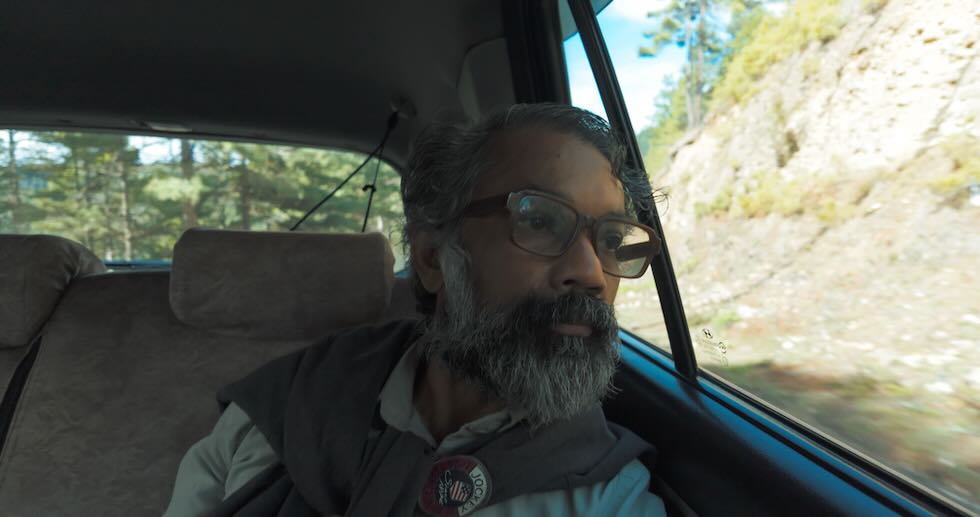
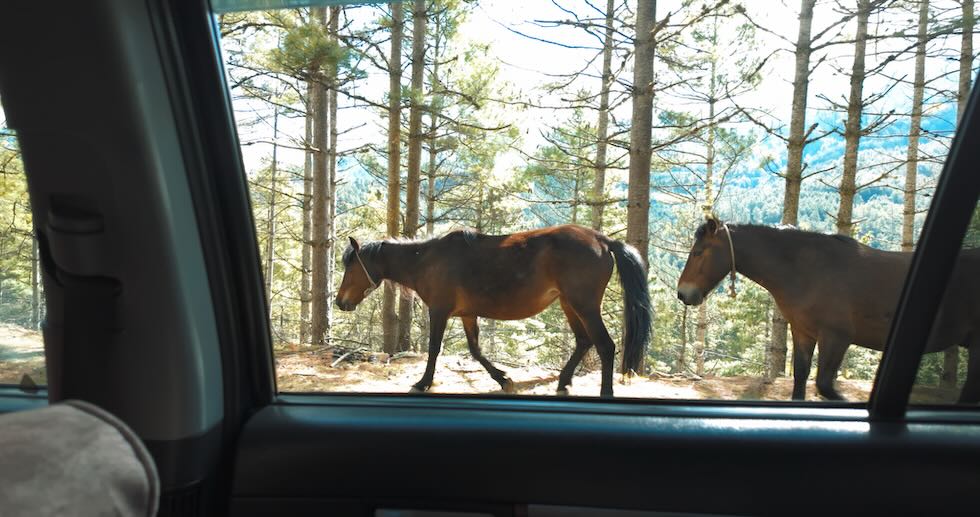
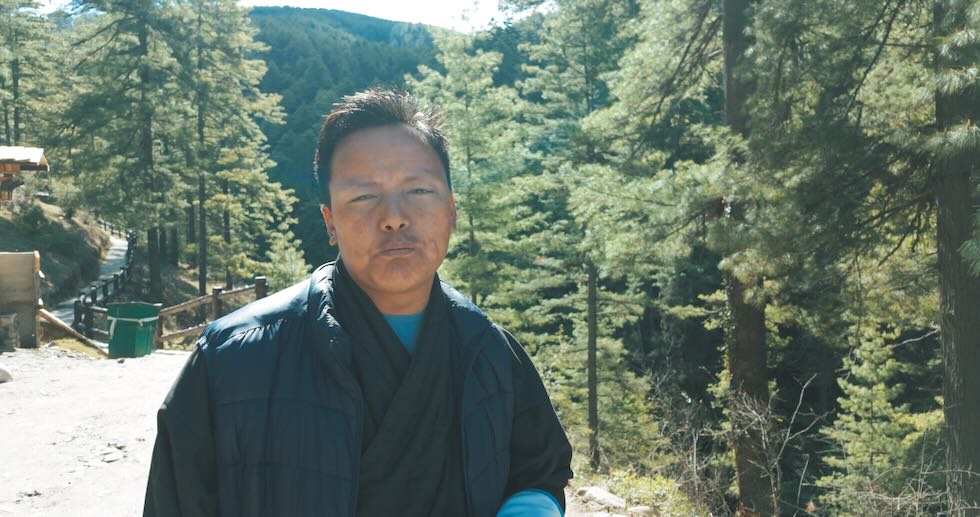
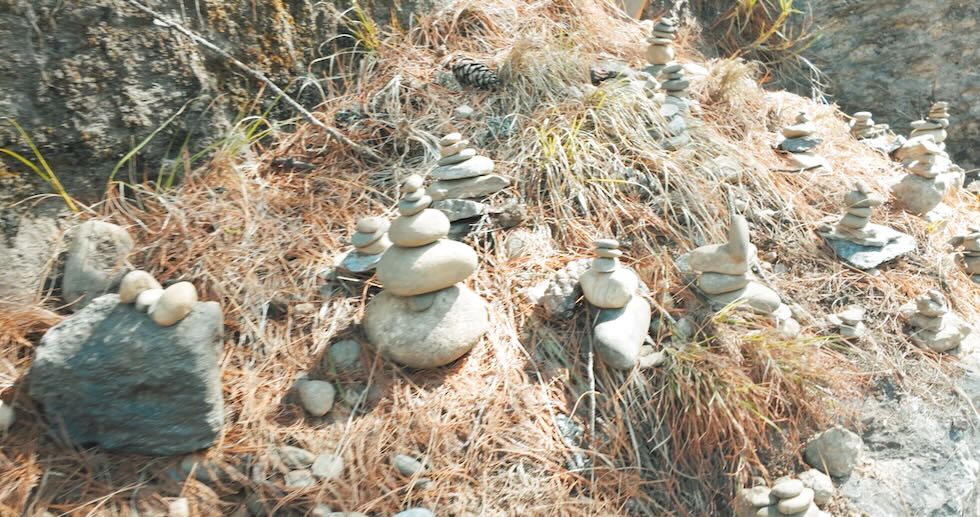
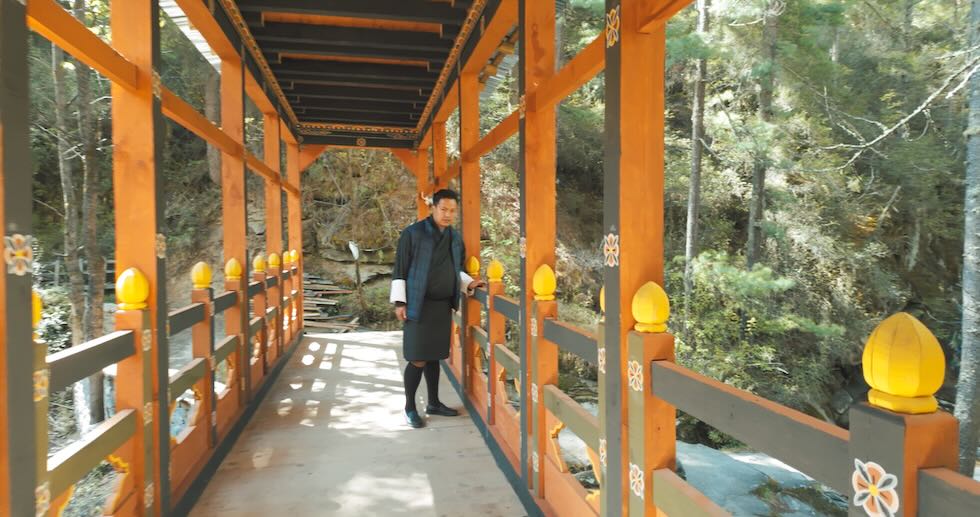
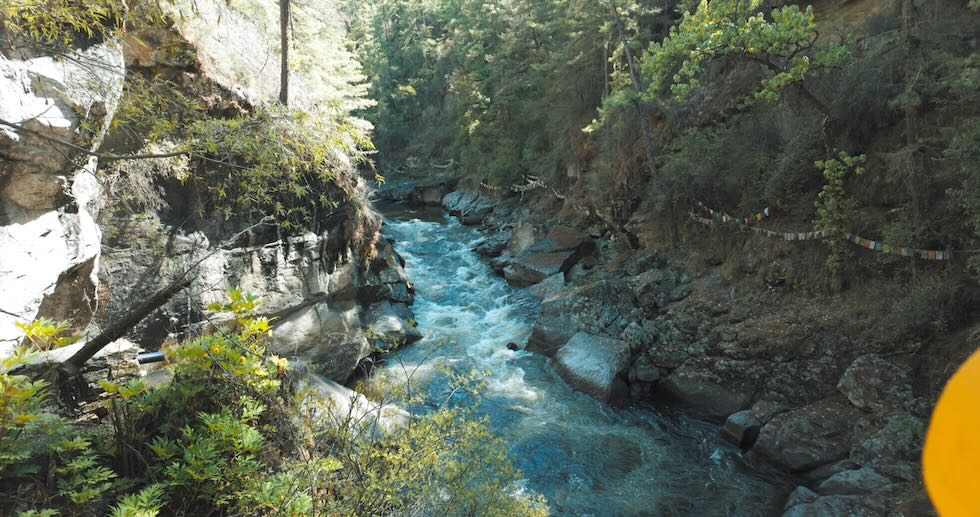
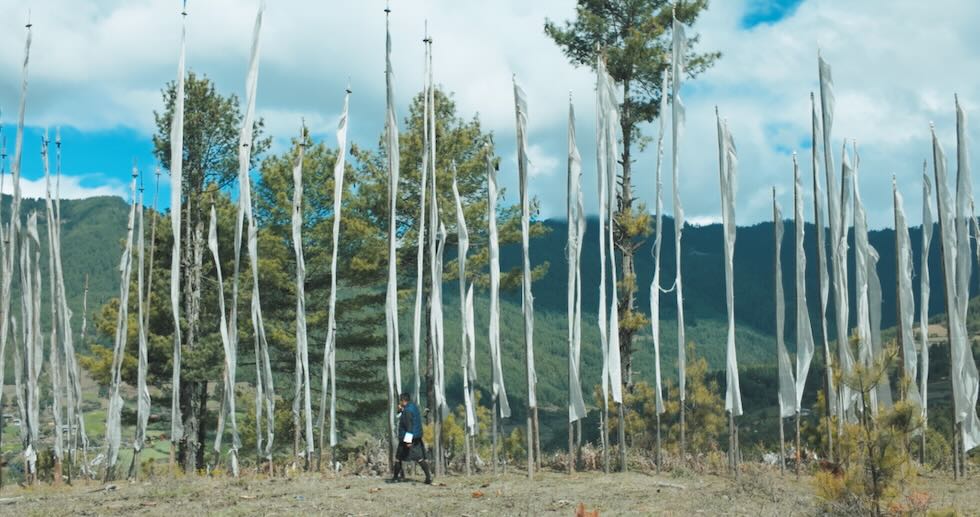
Burning Lake, also known as Menchhu, is one of the most revered and picturesque sites located in the Tang Valley of Bhutan. This sacred lake is not only famed for its stunning natural beauty but is also steeped in spiritual significance within the Buddhist community.
Significance
Menchhu is deeply tied to the story of Pema Lingpa, a 15th-century treasure revealer and one of Bhutan’s most respected figures in Tibetan Buddhism. According to legend, it was here that Pema Lingpa retrieved a hidden treasure from the waters of the lake. To prove the authenticity of his revelations, he is said to have jumped into the lake with a butter lamp, which miraculously floated and remained lit, symbolizing the power of his spiritual prowess.
Visiting Burning Lake
When planning a visit to Burning Lake in Tang Valley, here are some key points to consider:
Accessibility
- Location: Menchhu is situated about 30 minutes from the main road of Tang Valley. Access requires a short trek, which offers serene views of the surrounding meadows and hills.
- Trekking: The trek to the lake is enjoyable and moderate, giving visitors a chance to appreciate the tranquil landscapes and traditional farmhouses along the way.
Best Time to Visit
- Seasons: The best time to visit Burning Lake is during the spring (March to May) and fall (September to November) when the weather is mild, and the natural scenery is vibrant.
Activities
- Cultural Reflection: Take time to reflect by the lake, absorb the spirituality of the site, and perhaps partake in a moment of meditation or prayer.
- Photography: Capture the stunning views of the lake, especially early in the morning or late afternoon when the light enhances the natural beauty of the area.
- Local Interaction: Engage with the local community and learn about their traditions linked to the lake and Pema Lingpa.
Conclusion
Burning Lake (Menchhu) is not just a visual delight but also a profound cultural and spiritual landmark in Bhutan. A visit to this serene location offers a unique opportunity to connect with the rich tapestry of Bhutanese history and spirituality while enjoying the stunning natural surroundings of Tang Valley.
Visit to Ogyen Choling Museum
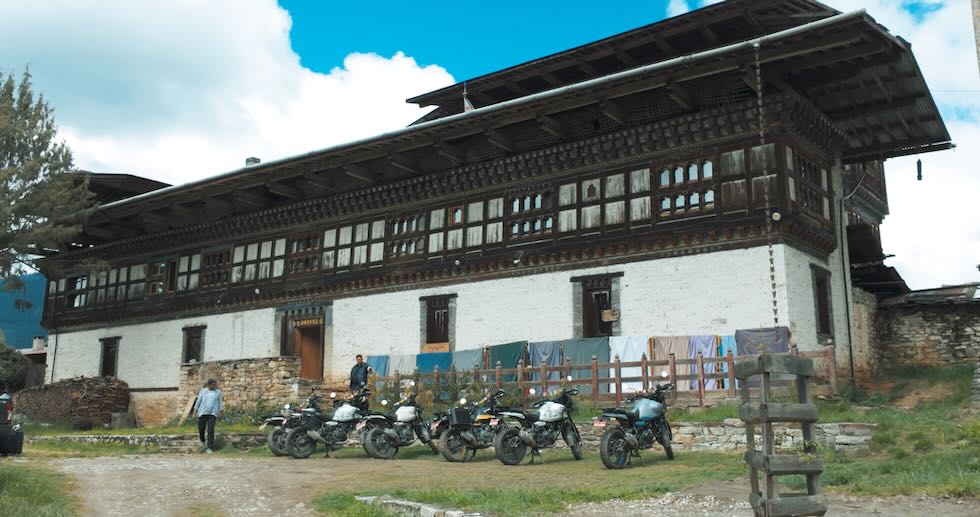
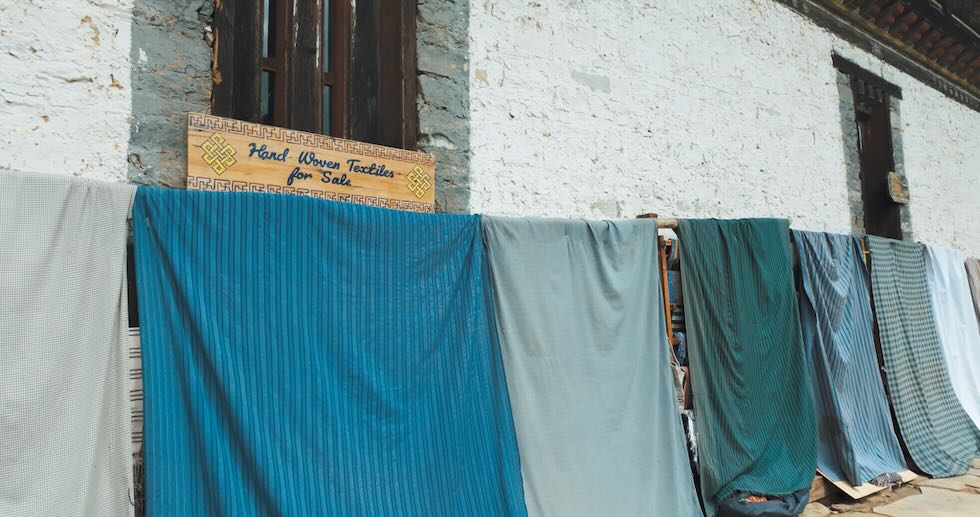
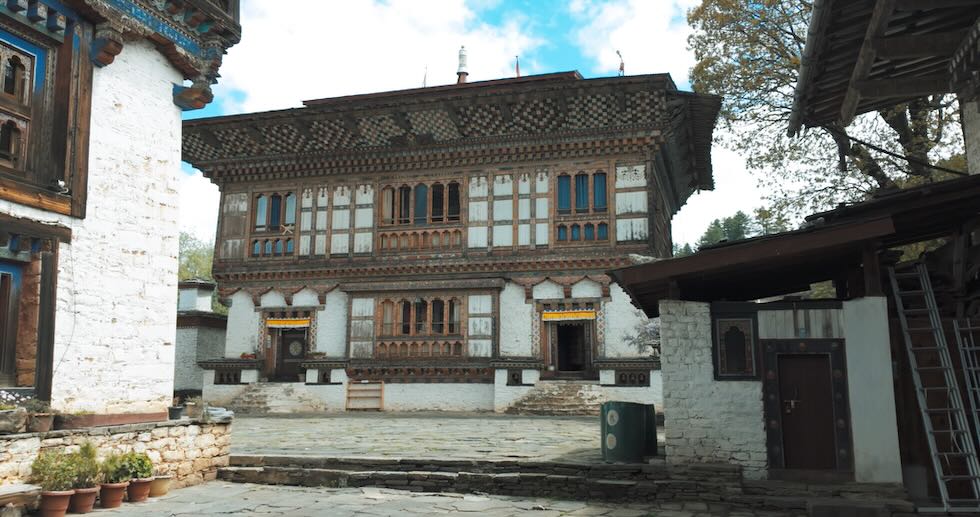
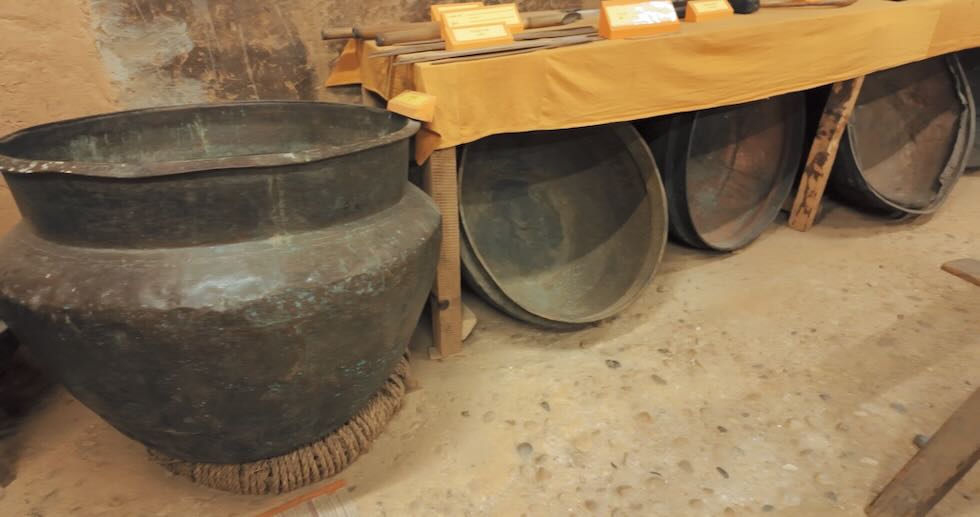
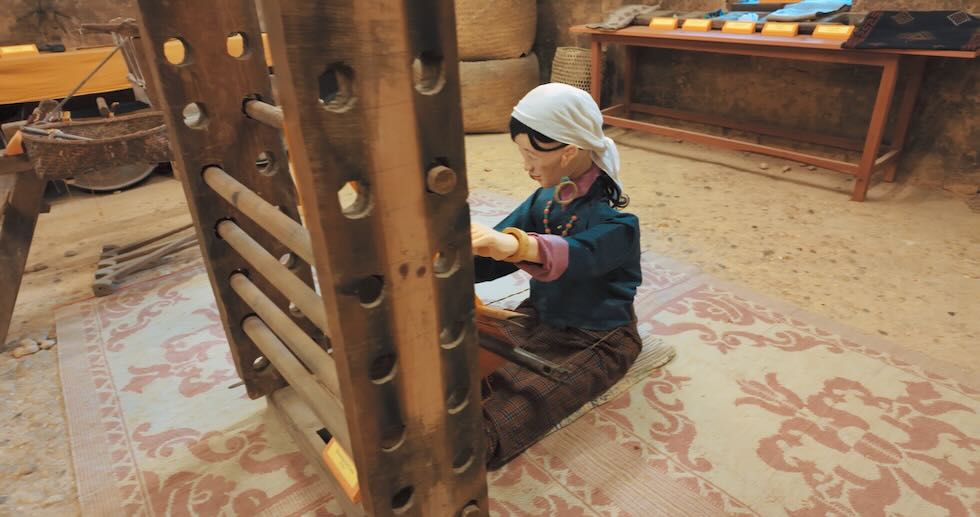
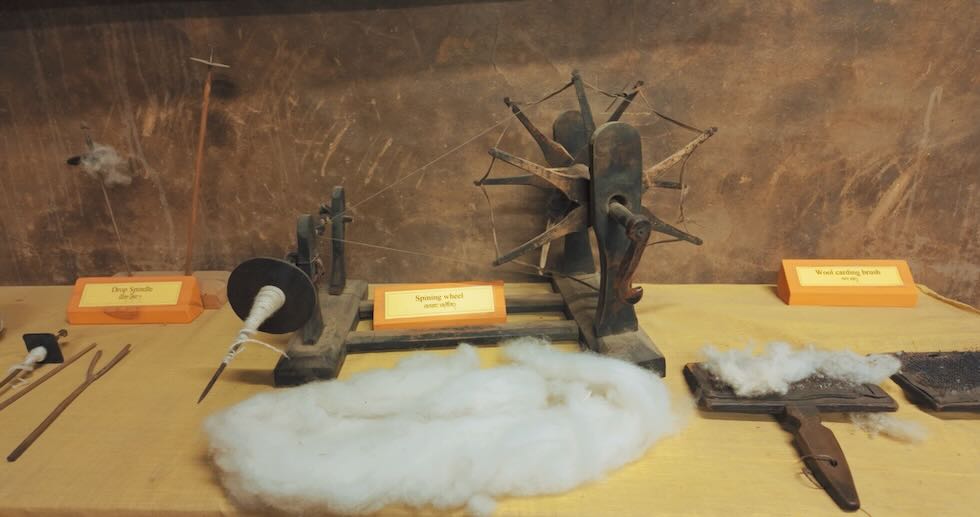
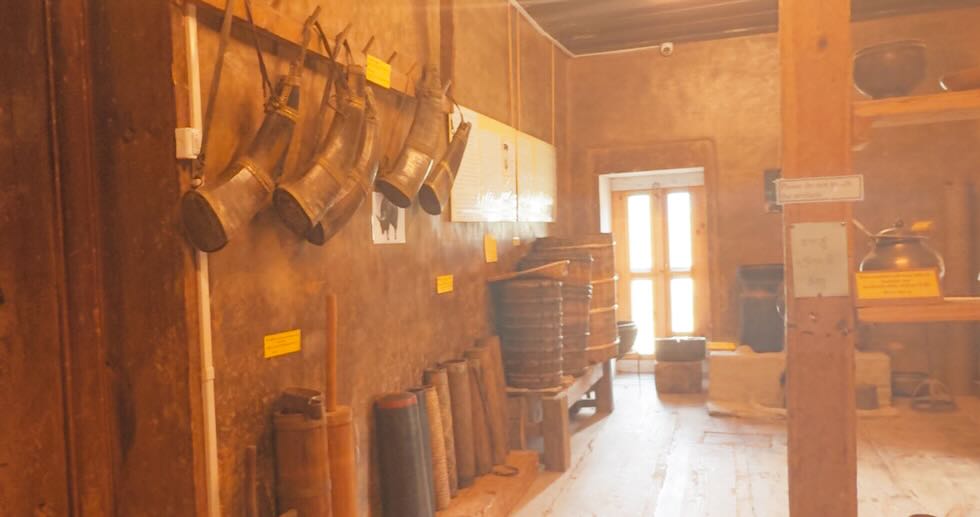
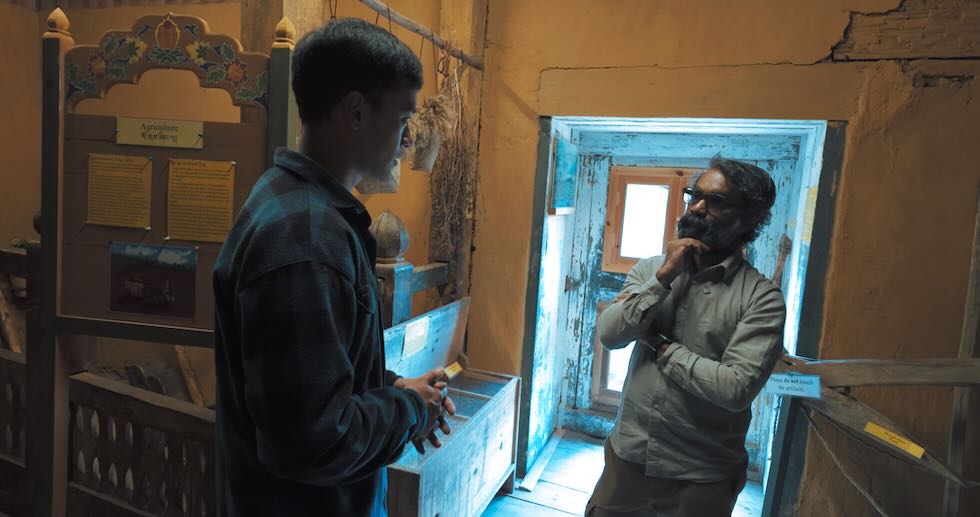
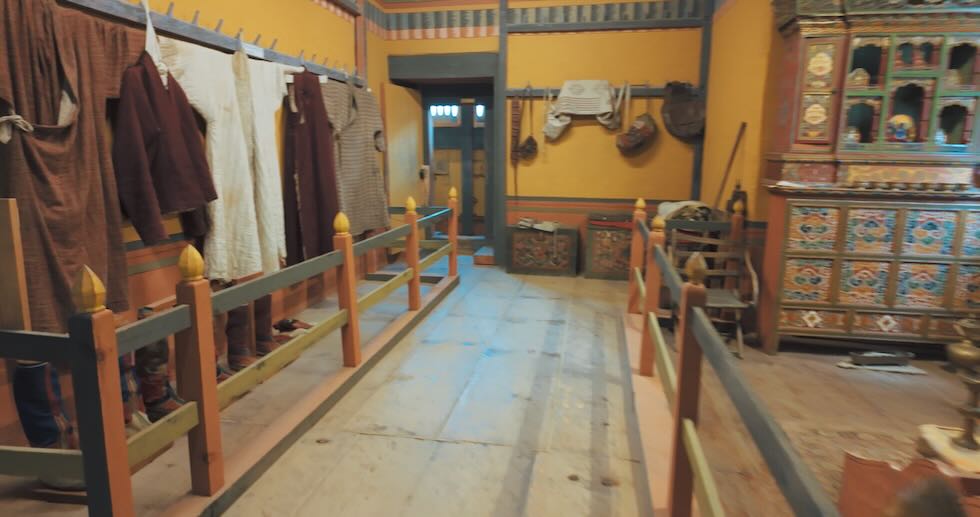
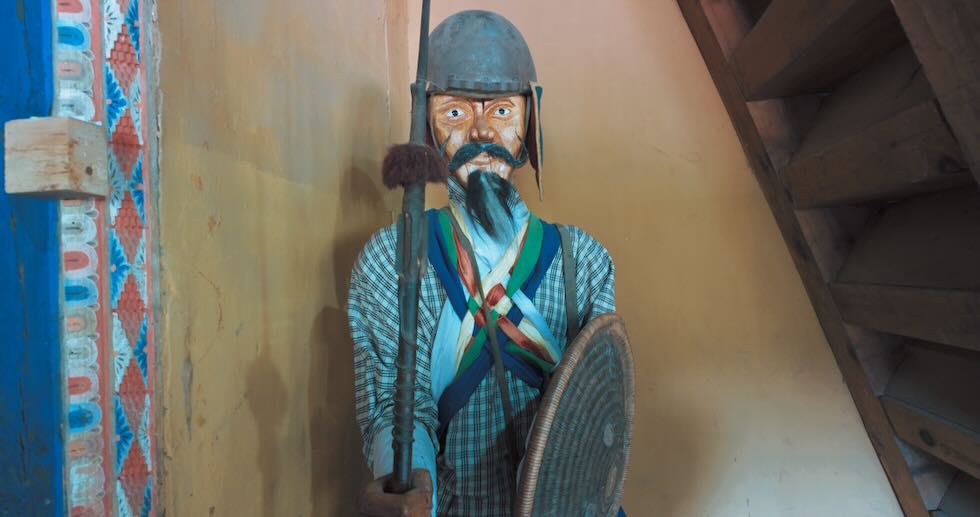
Located in the serene and picturesque Bumthang Valley, the Ogyen Choling Museum is a fascinating destination that offers a blend of history, culture, and spirituality. This museum is dedicated to preserving and showcasing the rich heritage of the region, particularly focusing on the Ogyen Choling ancestral home of the noble family of Bumthang.




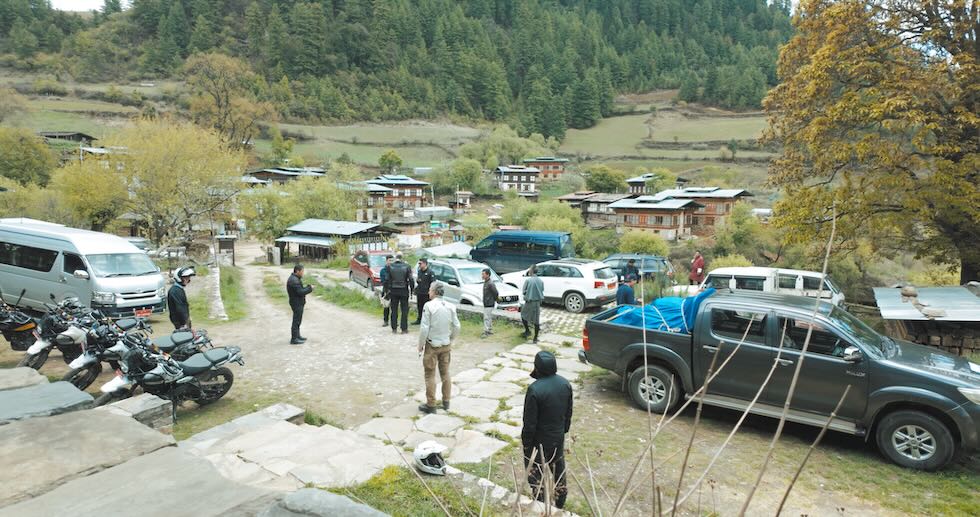
Overview of Ogyen Choling Museum
- History: The museum is situated in a restored ancestral home that belongs to the family of the local nobility. It provides visitors with insights into the lifestyle, beliefs, and customs of the people of Bumthang over the centuries.
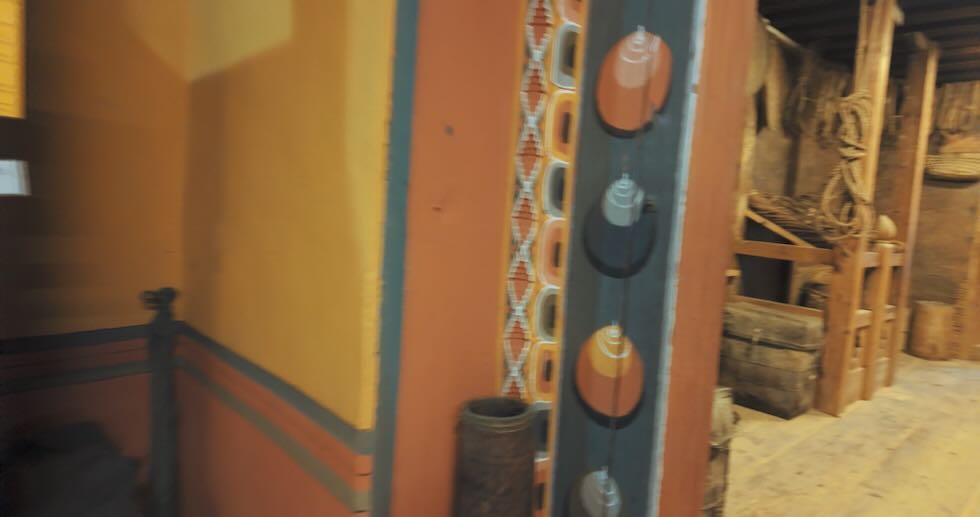
- Architecture: The building itself is a fine example of traditional Bhutanese architecture, with intricate woodwork, traditional paintings, and spiritual artifacts that reflect the artistic heritage of Bhutan.
Key Attractions
- Cultural Exhibits:
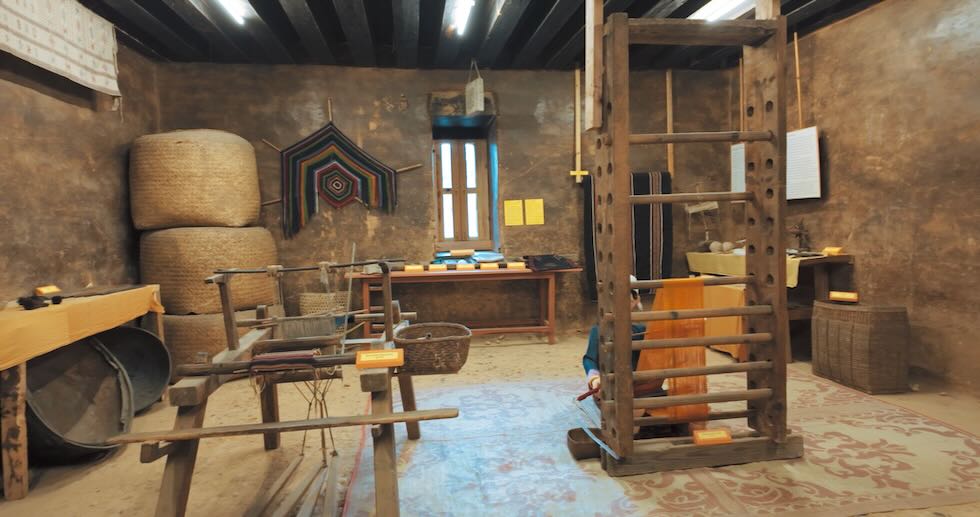
- The museum houses a variety of cultural artifacts, including traditional clothing, tools, and household items that give a glimpse into the daily life of Bhutanese families in the past.
- Photographs and displays narrate the history of the Ogyen Choling family and their contributions to Bhutan’s culture and society.
- Spiritual Artifacts:
- Sacred relics and religious items are displayed, emphasizing the spiritual significance of the area.
- Visitors can learn about the role of Buddhism in Bhutanese culture and how it has shaped the lives of local people.
- Guided Tours:
- Guided tours are often available, providing in-depth knowledge of the exhibits and the history of Ogyen Choling. Knowledgeable guides share fascinating stories and insights about the traditions of the region.
- Scenic Surroundings:
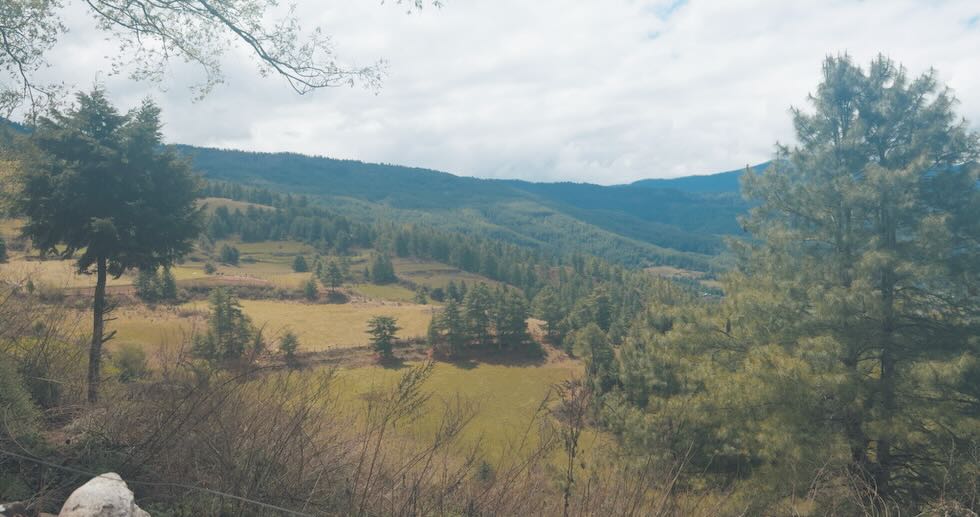
- The museum is set against a stunning backdrop of lush valleys and rolling hills, making it an ideal location for enjoying nature. Paths around the museum allow for peaceful walks and contemplation of the beautiful scenery.
Visiting Information
- Location: Ogyen Choling Museum is located in the Bumthang district, approximately 45 minutes from Jakar by road.
- Opening Hours: The museum is generally open from 9:00 AM to 5:00 PM, but it’s advisable to confirm the timings before your visit, as they may vary seasonally.
- Entry Fee: There may be a nominal entry fee, which contributes to the maintenance of the museum and its programs.
Tips for Visiting
- Photography: Be sure to ask about photography rules within the museum, especially regarding sacred artifacts and displays.
- Cultural Respect: As a cultural and historical site, remember to respect the local customs and practices during your visit.
- Combine with Local Experience: Consider combining your visit with a tour of the nearby villages to experience local culture firsthand and interact with the friendly Bhutanese people.
Conclusion
A visit to Ogyen Choling Museum provides an enriching experience, deepening your understanding of Bhutan’s cultural heritage and the significance of the Bumthang Valley. It’s an ideal stop for history buffs, spiritual seekers, and anyone interested in exploring the unique traditions and lifestyle of Bhutanese society.
Nunnery from Bumthang
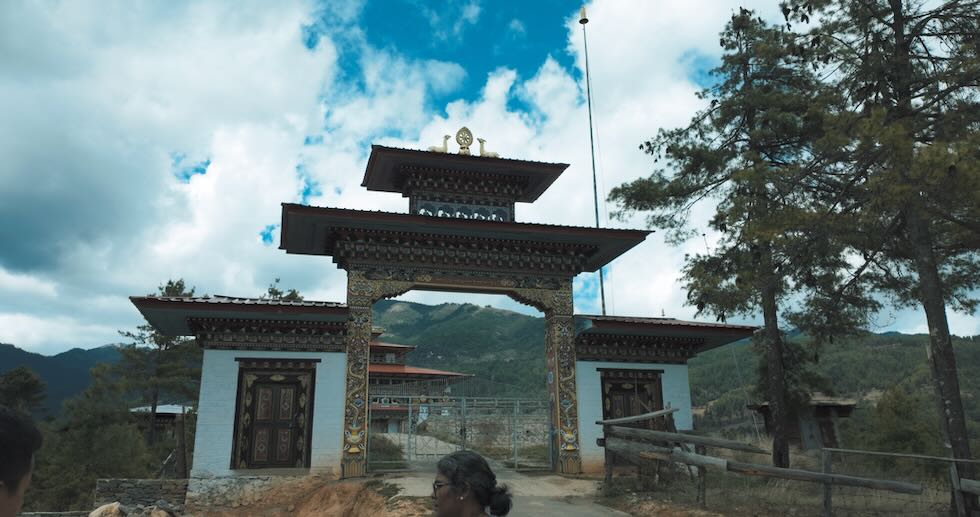
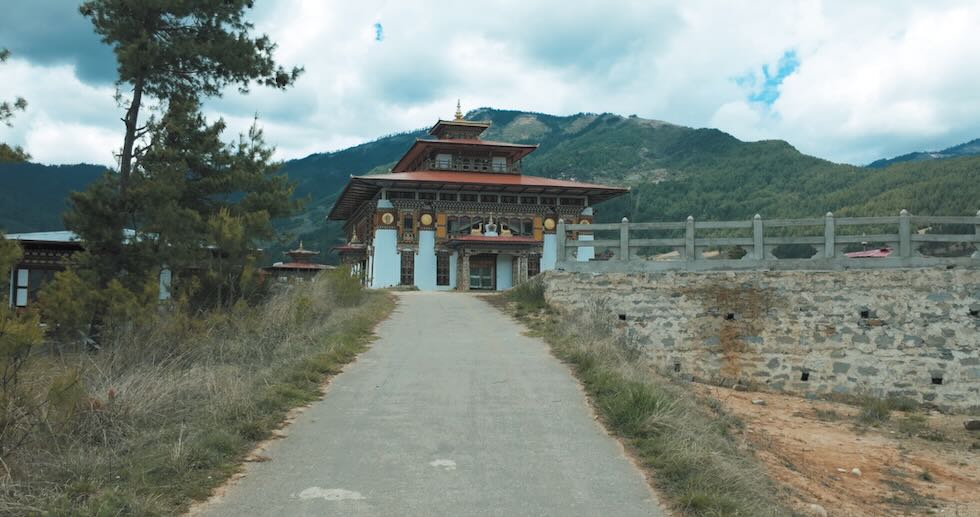
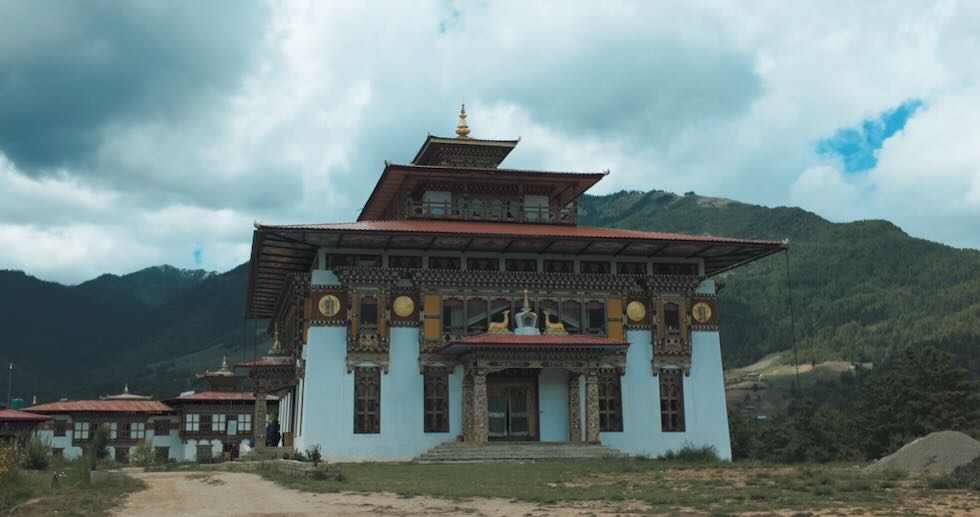
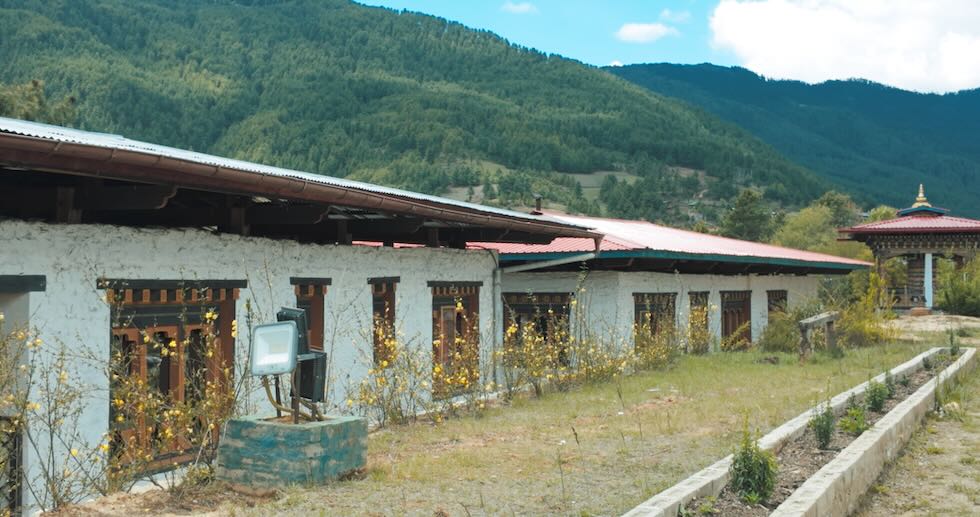
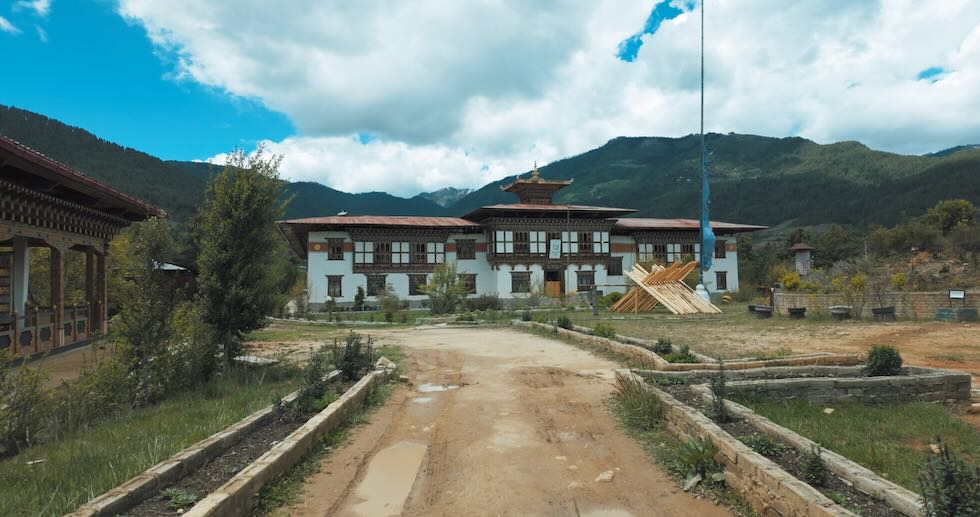
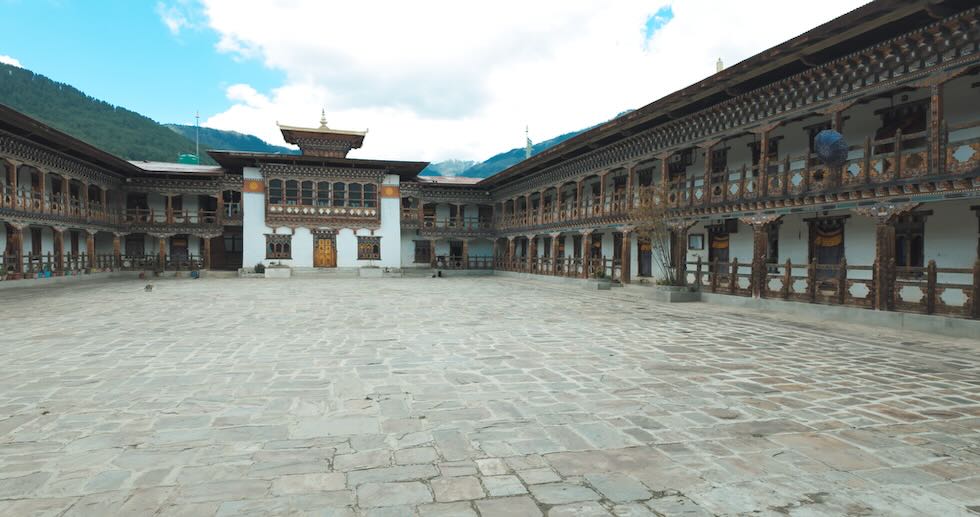
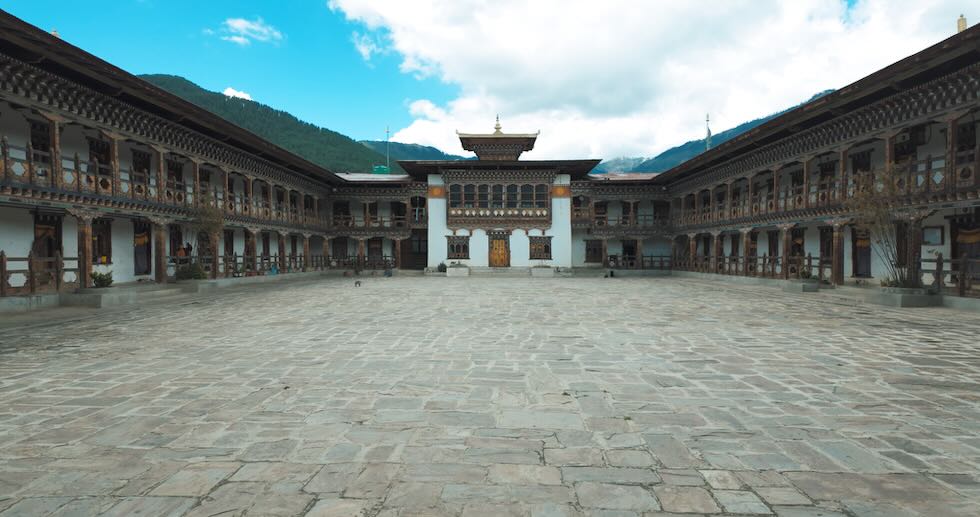
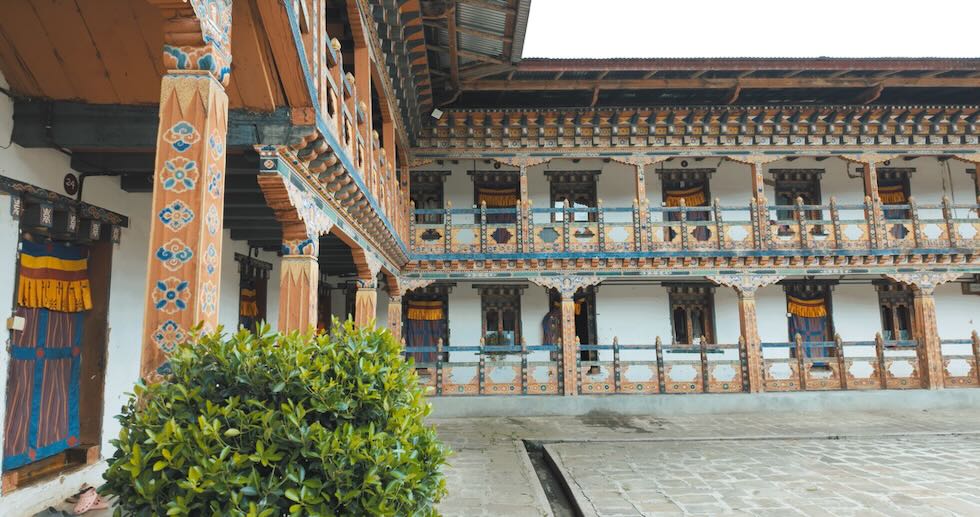
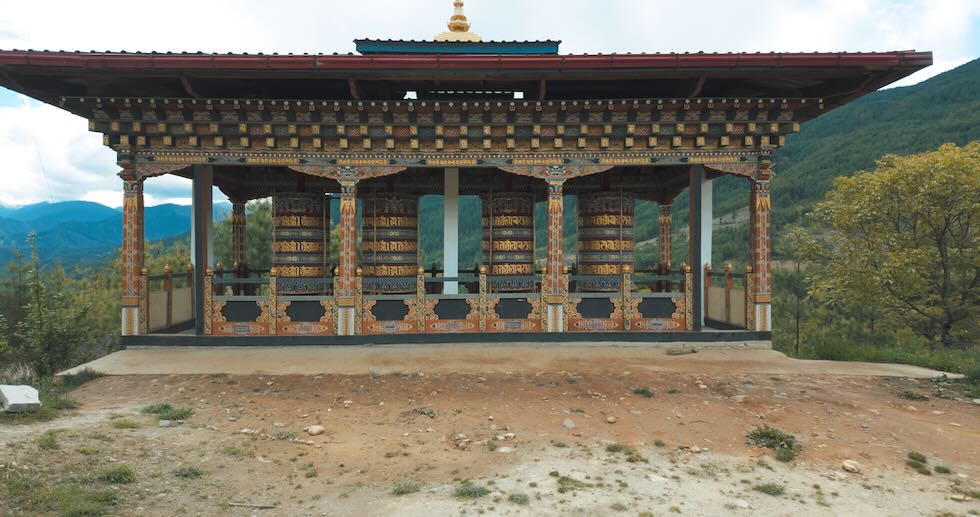
The Tang Valley, located in the Bumthang district of Bhutan, is a serene and picturesque area known for its stunning landscapes and rich cultural heritage. One of the notable sites in Tang Valley is the Nunnery, which offers visitors a glimpse into the spiritual and monastic life of Buddhist nuns.
Getting There
Traveling to Tang Valley from Bumthang takes about 30 minutes to 1 hour by road, depending on road conditions. The journey offers beautiful views of the countryside, with rolling hills, traditional farms, and the lush green surroundings characteristic of Bhutan.
Features of the Nunnery
1. Nunnery Overview
- The Tang Valley Nunnery, often referred to as Tang Gup Choe Ling, is home to a community of nuns dedicated to the practice of Buddhism. It serves as a place for spiritual learning and meditation.
- The nunnery reflects traditional Bhutanese architecture, with vibrant murals and prayer flags adorning the premises, enhancing the spiritual ambiance.
2. Activities and Practices
- Visitors to the nunnery can observe the daily routines of the nuns, which include prayers, meditation, and study sessions. Engaging respectfully with the nuns can offer insights into their lifestyles and practices.
- Depending on the time of your visit, you might have an opportunity to witness ceremonies or participate in meditation sessions, which provides a deeper understanding of Buddhist practices.
Scenic Environs
The surroundings of the nunnery in Tang Valley are breathtaking, adorned with tranquil landscapes, traditional farms, and the majestic backdrop of the Himalayas. The area is also known for its hiking trails that lead to stunning viewpoints, allowing visitors to enjoy the natural beauty and observe local wildlife.
Cultural Significance
The nunnery plays a vital role in the spiritual landscape of Bhutan, contributing to the promotion and preservation of Buddhist teachings. Visiting the Tang Valley Nunnery offers not just a chance to appreciate its architecture and serene setting but also a deeper understanding of local culture and spirituality.
Conclusion
A visit to the Tang Valley Nunnery from Bumthang is a rewarding experience that combines cultural richness, spiritual insight, and stunning natural beauty. It provides an opportunity to connect with the monastic community and gain a greater appreciation of Bhutan’s rich heritage and faith.
Day 12 – Traveling from Bumthang to Paro
Traveling from Bumthang to Paro is a convenient journey, primarily facilitated by domestic flights that offer stunning aerial views of Bhutan’s breathtaking landscapes. The flight duration is approximately 30 to 40 minutes, making it an ideal way to reach your destination quickly.
Flight Information
- Airlines: The main airlines operating this route are Druk Air and Bhutan Airlines.
- Ticket Prices: Prices can vary, generally ranging from ₹6,000 to ₹9,000 (~$80 to $120) for a one-way ticket, depending on when you book.
- Booking: It’s advisable to book your tickets in advance to secure the best rates and flight times.
Arrival in Paro
As you arrive in Paro, you’ll be greeted by the stunning views of the valley and the majestic Himalayas. Paro is known for its rich history and beautiful landscapes.
Exploring Paro Market
After settling in, head to the vibrant Paro Market, a wonderful place to experience the local culture and cuisine.
Market Highlights
- Fresh Produce:
- The market offers a variety of fresh fruits, vegetables, and herbs grown in the region. Look out for seasonal specialties such as apples and potatoes.
- Local Handicrafts:
- Browse through stalls selling traditional Bhutanese handicrafts, including textiles, carvings, and jewelry. These make for excellent souvenirs.
- Culinary Delights:
- Sample local dishes from street vendors. Don’t miss trying Ema Datshi, Bhutan’s famous chili cheese dish, or other vegetarian options.
- Stop by a local café to enjoy a cup of butter tea (suja) or a bowl of thukpa, a traditional noodle soup.
- Cultural Experience:
- Engage with local vendors and learn about their crafts and daily life.
- Look for cultural performances or festivals that might be happening in or near the market.
Tips for Visiting Paro Market
- Timing: The market is most vibrant in the afternoon, primarily on weekends when locals bring in their goods.
- Bargaining: Don’t hesitate to negotiate prices when shopping for handicrafts and souvenirs.
- Photography: Always ask for permission before taking photos of vendors or their stalls.
Conclusion
Exploring Paro Market presents an opportunity to immerse yourself in the local culture, enjoy delicious food, and shop for unique handicrafts. It’s a perfect way to wrap up your journey in Bhutan and experience the warmth of its people.
Day 13 – Trekking to Tiger’s Nest (Paro Taktsang)
Tiger’s Nest, also known as Paro Taktsang, is one of Bhutan’s most iconic landmarks, perched high on a cliff overlooking the Paro Valley. The trek to this stunning monastery is a must-do for anyone visiting Bhutan. Here’s an overview of the trek, what to expect, and tips for making the most of your experience.
Trek Overview
- Starting Point: The trek begins from the Taktsang Parking Lot, located about 10 kilometers from Paro town.
- Distance: The round trip is approximately 10 kilometers.
- Duration: The hike typically takes about 2 to 3 hours to reach the monastery and approximately 1.5 to 2 hours to descend, depending on your pace and fitness level.
- Elevation Gain: The trek involves an elevation gain of about 900 meters, reaching an altitude of 3,120 meters (10,240 feet) at the monastery.
The Trail
- Initial Descent: The trail starts with a gentle descent, leading you through pine forests adorned with beautiful prayer flags.
- Steep Climb: After the first phase, the path becomes steep and rocky. It’s essential to take your time and enjoy the surrounding natural beauty.
- Stopping Points: Along the way, there are several resting points, including a cafeteria where you can hydrate and enjoy some snacks while soaking in the breathtaking views of the valley.
- Final Stretch: As you approach the monastery, the trail narrows and becomes more strenuous. The last section includes a series of steep steps carved into the rock.
Arrival at Tiger’s Nest
- Monastery Layout: Upon arrival, you’ll be greeted by the stunning sight of Tiger’s Nest monastery clinging to the cliff face. The monastery complex consists of four temples and various other rooms, each adorned with intricate murals and sculptures.
- Exploration: Take your time to explore the different temples, learn about the history of the site, and enjoy the panoramic views of the surrounding mountains.
Tips for Trekking
- Physical Preparation: Ensure you are in good physical condition before attempting the trek. Regular hikes or walks can help prepare your body for the altitude and distance.
- Hydrate: Drink plenty of water before and during the hike to stay hydrated.
- Weather Conditions: Dress in layers since the weather can change rapidly. Wearing comfortable trekking shoes is highly recommended.
- Respect Local Customs: As a sacred site, it’s essential to be respectful while visiting. Follow guidelines regarding photography and dress modestly.
- Guided Trek: Consider hiring a local guide to enhance your experience. They can provide valuable insights into the cultural and historical significance of Tiger’s Nest.
Conclusion
Trekking to Tiger’s Nest is not just a physical journey but also a spiritual and cultural experience. The stunning views, combined with the rich history of the monastery, make it one of the highlights of any trip to Bhutan. Make sure to carry your camera to capture the unforgettable scenes along the way and at your destination!
Day 14 – Exploring Paro
Paro is a picturesque town nestled in the Paro Valley and is known for its stunning landscapes, rich culture, and iconic landmarks. The town is a perfect blend of traditional Bhutanese architecture, vibrant markets, and breathtaking views of the Himalayas.
Must-Visit Attractions in Paro
- Paro Taktsang (Tiger’s Nest Monastery)
- Description: Perched on a cliff 900 meters above the Paro Valley, this iconic monastery offers breathtaking views and a spiritual experience.
- Tip: Ensure to start your trek early in the morning to enjoy cooler temperatures and avoid crowds.
- Paro Dzong (Rinpung Dzong)
- Description: This stunning fortress is an architectural masterpiece that serves as the administrative center and monastic community. Visitors can explore its beautiful courtyards and temples.
- Tip: Attend the intricate ceremonies held here if your visit coincides with a festival.
- National Museum of Bhutan
- Description: Housed in a former watchtower, this museum showcases the rich history and culture of Bhutan through various artifacts, art, and exhibitions.
- Tip: Allocate a couple of hours to immerse yourself in the displays.
- Drukgyel Dzong
- Description: A fortress built to commemorate the victory over Tibetan invaders, offering stunning views of the surrounding mountains and valleys.
- Tip: Visit during the day to capture great photos against the backdrop of the Himalayas.
Exploring Paro Market
After your sightseeing, head to the vibrant Paro Market, where local culture comes alive. The market is filled with colorful stalls selling fresh produce, handicrafts, and traditional Bhutanese items.
Market Highlights
- Fresh Produce
- Explore a variety of seasonal fruits, vegetables, and herbs grown in the region. You might find unique local spices and fresh yak cheese.
- Local Handicrafts
- Stalls offer beautiful Bhutanese handicrafts, including textiles, jewelry, and wood carvings. These make for excellent souvenirs and gifts.
- Culinary Delights
- Sample local dishes from street vendors. Be sure to try Ema Datshi (chili cheese), and other traditional snacks. Look for small eateries serving tea and noodles.
- Cultural Experience
- Engage with the local vendors, learn about their crafts, and experience the daily life of the Bhutanese people.
Tips for Visiting Paro Market
- Timing: The market is most vibrant in the afternoon, especially on weekends when locals gather to sell their goods.
- Bargaining: Don’t hesitate to negotiate prices for handicrafts and other items.
- Photography: Always ask for permission before taking photos of vendors or their stalls, and capture the lively atmosphere.
Conclusion
Exploring Paro is a delightful experience filled with stunning sights, rich cultural heritage, and delicious cuisine. Make sure to take your time wandering through the streets and markets to truly appreciate all that this charming town has to offer.
Day 15 – Returning to Delhi from Paro
After an unforgettable trip to Bhutan, it’s time to head back to Delhi. Here’s what to expect as you conclude your journey:
Flight Information
- Airline: Druk Air
- Departure: The flight typically departs from Paro International Airport.
- Duration: The flight to Delhi takes approximately 1 hour and 30 minutes.
- Ticket Prices: Depending on when you book, one-way fares can range from ₹6,000 to ₹12,000 (~$80 to $160).
Packing and Final Checks
- Check Your Passport and Visa: Ensure your travel documents are in order for your return to India.
- Souvenirs: Double-check that you have all your souvenirs packed securely to avoid any damage during the journey.
- Local Currency: Keep some Ngultrum or Indian Rupees handy for last-minute purchases at the airport.
At the Airport
- Arrival at Paro International Airport:
- Arrive at the airport at least 2 hours prior to your departure time for a smooth check-in and security process.
- The airport provides a breathtaking view of the mountains and is one of the most scenic airports in the world.
- Security and Check-in:
- Complete the check-in process with Druk Air, and make sure to keep your boarding pass handy.
- Go through security checks, and be prepared for baggage screening.
- Waiting Area:
- Relax in the waiting area. Enjoy the stunning view of the Himalayas from the airport’s lounge.
- You may also find duty-free shops where you can purchase last-minute gifts or Bhutanese products like textiles and handicrafts.
Flight Experience
- On Board: The flight experience with Druk Air typically includes friendly service from the cabin crew and light refreshments.
- Views: Try to secure a window seat for magnificent aerial views of the Himalayan landscape as you take off from Paro.
Arrival in Delhi
Upon arrival in Delhi, the following awaits:
- Immigration and Customs:
- After landing, proceed through immigration. Indian citizens will have a smooth process returning home.
- Collect your luggage from the baggage claim and pass through customs.
- Transportation:
- Arrange for transportation to your accommodation or home. Options include taxis, ride-sharing apps, or pre-booked cars.
- Emotional Reflection:
- Take some time to reflect on your incredible journey through Bhutan – from the tranquil monasteries to the stunning landscapes.
- Share your experiences with friends and family who may be interested in visiting Bhutan!
Conclusion
Returning to Delhi after an enriching trip to Bhutan offers a mixture of emotions, from nostalgia for the serene landscapes and warm hospitality of Bhutan to the excitement of being home. That wraps up your amazing journey through Bhutan, filled with cultural experiences and breathtaking sights. Safe travels!



Leave a comment