
Hot Stone Bath in Bhutan
Hot stone baths are a traditional wellness practice in Bhutan, deeply rooted in Tibetan medicine. This rejuvenating experience combines the elements of nature, healing herbs, and hot stones to create a unique way to relax and detoxify the body.
What is a Hot Stone Bath?
In a hot stone bath, smooth river stones are heated in a fire until they are extremely hot. These stones are then placed in a wooden tub filled with water, allowing the heat to infuse the water and create a soothing bath. Often, medicinal herbs or essential oils are added to enhance the therapeutic effects.
Benefits of Hot Stone Baths
- Relaxation: The warm water and soothing heat from the stones provide deep relaxation, easing tension in the muscles and calming the mind.
- Detoxification: The heat helps open pores and promotes sweating, aiding in the detoxification process.
- Pain Relief: Hot stone baths can relieve muscle and joint pain, making them beneficial for those with chronic pain issues.
- Improved Circulation: The warmth increases blood flow, which can promote healing and improve overall circulation.
Cultural Significance
In Bhutanese culture, hot stone baths are not just about relaxation; they are often part of ceremonies and rituals. They are used to celebrate significant life events such as weddings and births. The experience is generally communal, encouraging connection and bonding among family and friends.
Where to Experience Hot Stone Baths
In Bhutan, you can find hot stone baths in many areas, particularly in rural regions. Some popular locations include:
- Paro Valley: Known for its stunning scenery and proximity to traditional Bhutanese culture.
- Punakha: Here, you may find private and communal hot stone bath facilities amidst beautiful landscapes.
- Gangtey: Enjoy a hot stone bath while surrounded by the serene mountains and local wildlife.
When visiting Bhutan, indulging in a hot stone bath is a must to experience both relaxation and a taste of the rich cultural heritage.
Sweat, Stone, and Stillness: My Hot Stone Bath in Paro, Bhutan
Paro is a quiet valley in Bhutan, wrapped in mist and mountains. You come here for the monasteries, the air, the peace—and if you know what to ask for, the hot stone bath.
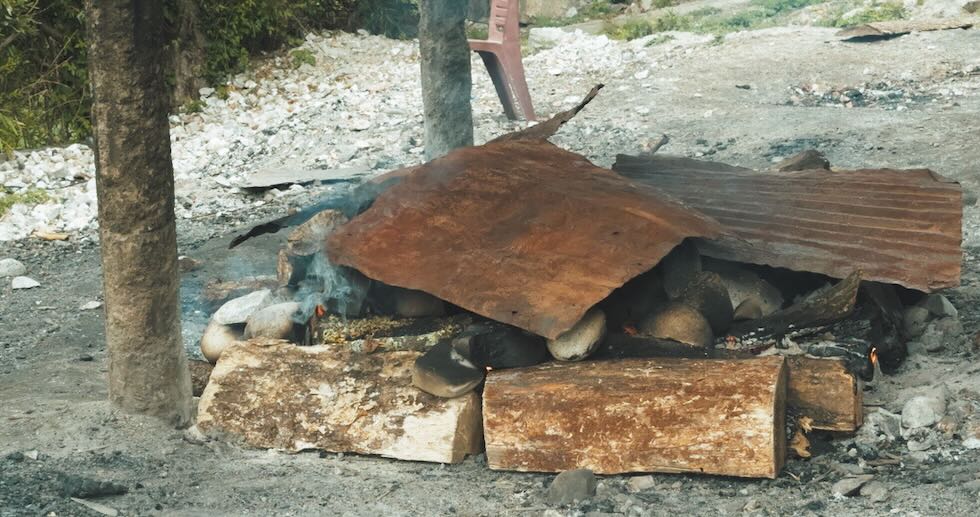
I first heard about the Dotsho, Bhutan’s traditional hot stone bath from a local guide. It sounded simple: large river stones, heated until red-hot, then dropped into a wooden tub of cold spring water. The minerals from the stones mix with the water, creating something between a soak and a ritual.



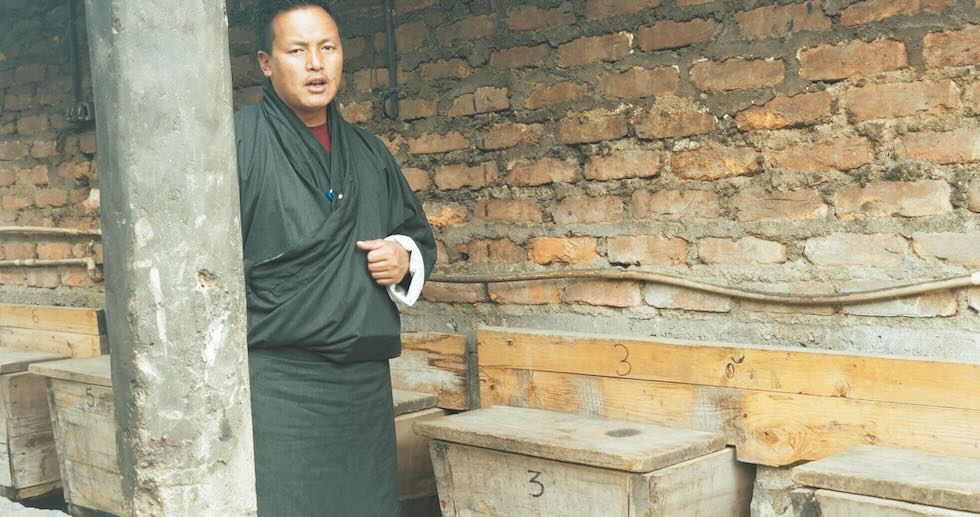

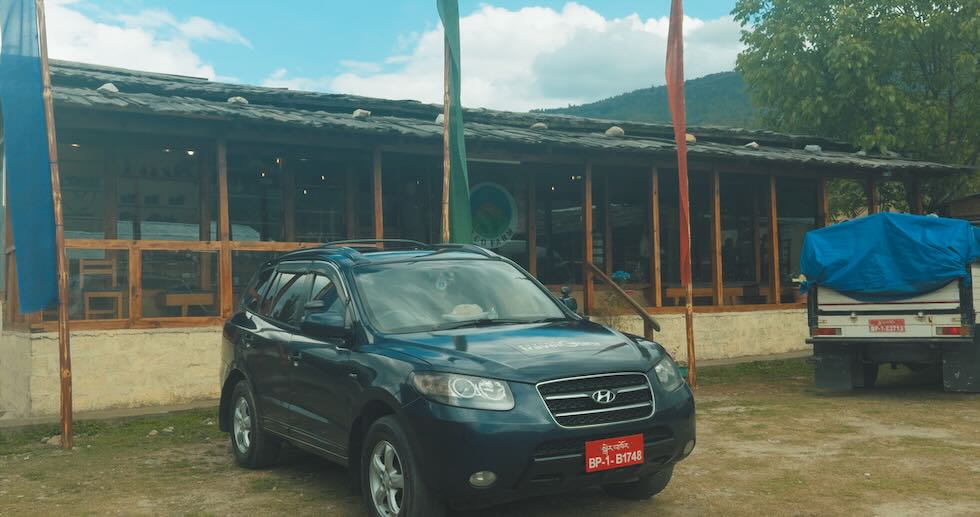
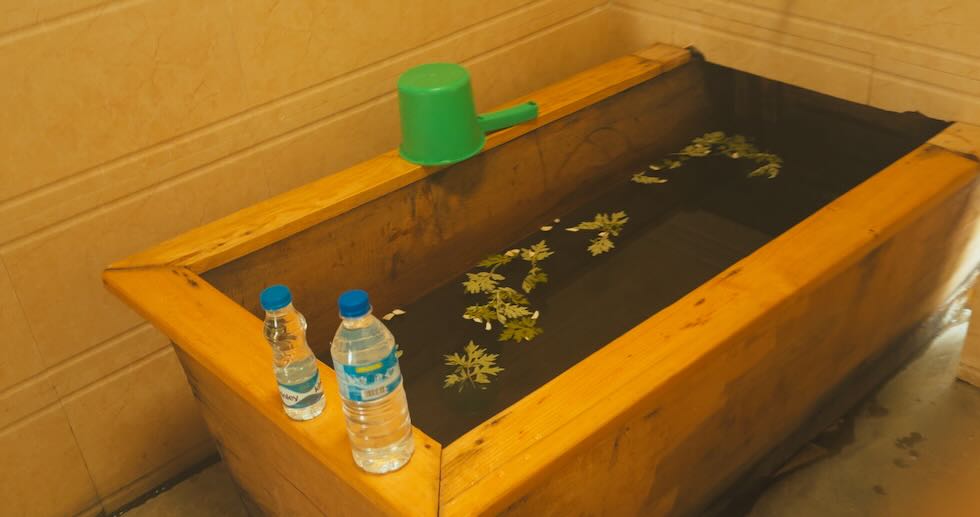
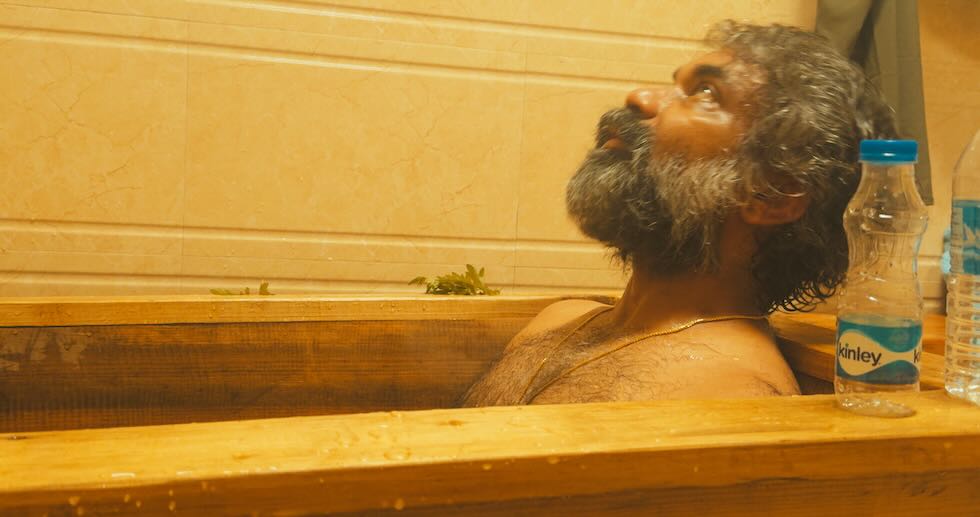

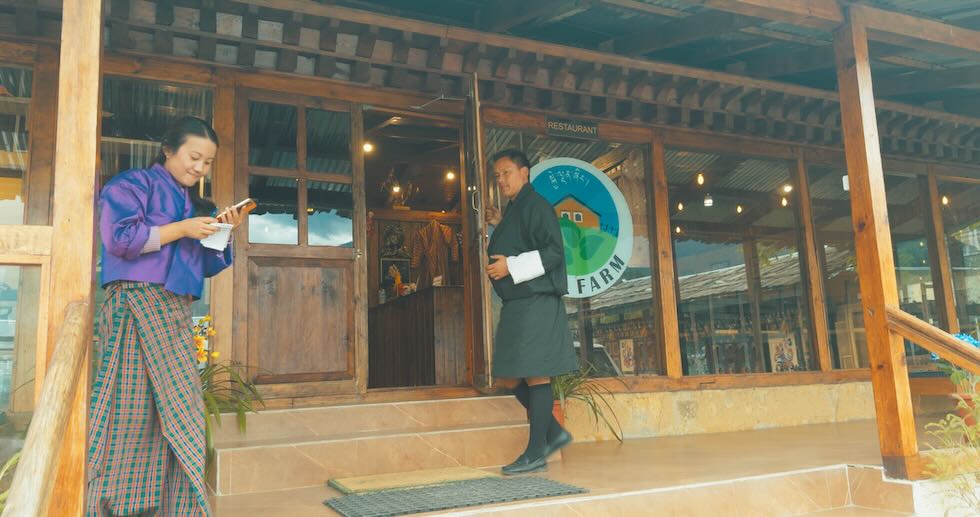
I tried it one evening after a long hike to Tiger’s Nest Monastery. My legs were fried, my back stiff. I went to a farm house called Eco Farm Estate which is quite recommended as my experience was great.
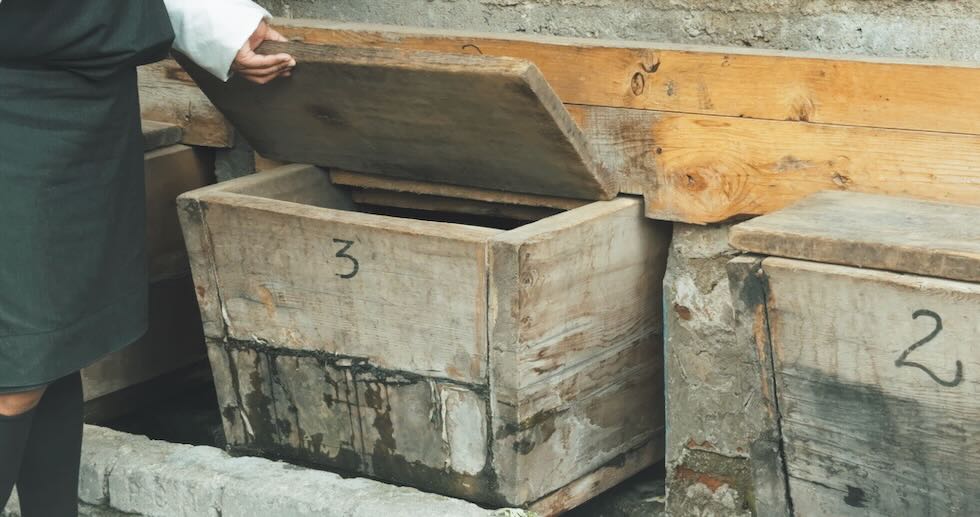
They started by heating the stones in a fire pit outside. Once they were blazing, the stones were carried one by one on metal tongs and plunged into a compartment at the end of the tub. The water hissed. Steam rose. The room warmed. I stepped in.
The tub was carved from wood, deep enough to soak to your chest. The water was hot, not scalding, and smelled faintly of the herbs they’d added—usually artemisia leaves, which grow wild in the hills.
At first, I just sat. You don’t do much in a dotsho. You let it work. The heat creeps into your bones. Your breath slows. The aches from the hike dissolved. I could hear the wind outside, some chickens clucking. Everything else gone.
Locals believe the bath has healing powers, especially for joints and the nervous system. I don’t know about that, but I do know I came out lighter. Not just physically, mentally, too. It felt earned, not luxurious. Earth, fire, water, wood. That’s it. Nothing fancy, but it stays with you.
If you’re in Paro, skip the spa. Find a farmhouse. Ask about a stone bath. It’s not just something to do it’s something to feel.

 Kishore Asokan
Leave a comment